Seahaven - Seahaven


 5.8
5.8
The members of Seahaven are known for taking their time, having made a habit of letting six years pass between one release and the next. This time, following Halo of Hurt (2020), they return with a self-titled album that, as guitarist and vocalist Kyle Soto has also stated, brings together the various elements explored throughout their previous works into a cohesive sonic journey. The record is self-produced, recorded by Alex Estrada at Pale Moon Ranch in California, and mixed by what has become a true institution in modern post-hardcore and nu-gaze sound design, Will Yip, whose résumé includes acclaimed bands such as Die Spitz, Turnstile, Code Orange, Touché Amoré, and Whirr. The album opens with Godsend: ethereal guitars and a filtered four-on-the-floor kick drum create a soothing atmosphere, gradually expanding through layers of reverberated vocals, one of them repeating like a mantra. The closing feedback then flows seamlessly into Hellbound. The latter is an energetic track, driven by explosive guitars supported by sequencers and a solid, straight-ahead rhythm section. The song moves between echoes of 1990s Midwest emo and carefully crafted production choices that reveal the meticulous studio work behind it. Infinite Blu—which also lends its name to the four-track EP released last month as a preview of the full-length album—maintains the same aesthetic direction. The sound becomes softer, with the synths disappearing to make room for expansive guitar riffs woven through tremolo and delay effects. The verses evoke a sense of escapism through ambient, landscape-like textures, while the choruses descend into a far more conventional structure.
Midnight Hour, also included on the EP-preview release, is arguably the album’s most obvious lead single, supported by a music video as well. It is undoubtedly the project’s most radio-friendly moment, partially stepping away—though never completely—from the sonic landscapes established in the three preceding tracks, a tendency that also emerges in the open-chord progressions of February Flower. Remember Me and Highwire serve as a kind of dividing line in what is undoubtedly a continuous flow of diverse lyrical and musical ideas. The trio of Million Ways, Tidal Wave, and Long Goodbye marks a return to harder-hitting drums and songs that clearly appeal to fans of post-hardcore and emo—perhaps with the unmistakable influence of producer Will Yip behind the scenes. Despite being more direct and forceful tracks, the production once again stands out for its remarkable clarity and meticulous equalization. Wedding Bells, which was also the first song Kyle Soto wrote in his studio, is a ballad infused with lo-fi elements that drift through the acoustic guitar track like ghosts, gradually taking over the song toward its conclusion. An ambient drone then carries the listener into the album’s closing track, Companion. Much like Godsend, Companion is introduced by a four-on-the-floor kick drum and a filter effect that accompanies the song from beginning to end. The guitar relentlessly follows a riff that bounces back and forth across the stereo field, moving between the left and right channels. Repeated almost hypnotically until the very end, the track closes with a recording that sounds as though it were emanating from the cone of a damaged amplifier speaker.
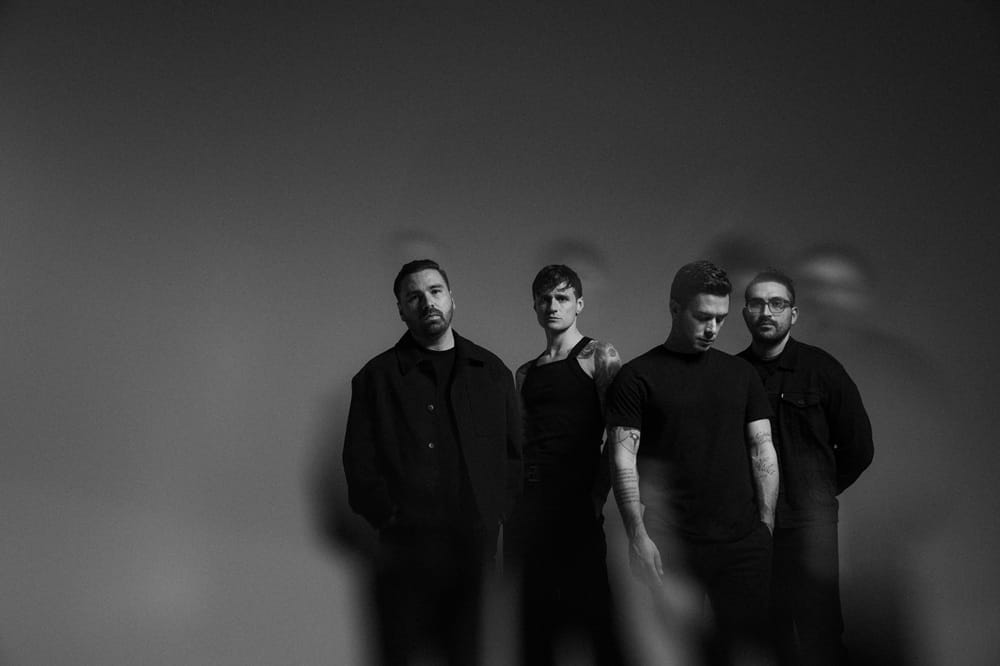
Seahaven’s latest work draws heavily from the Midwest emo tradition, taking inspiration from bands such as American Football, The Get Up Kids, and Modern Baseball, while also embracing the expansive post-rock soundscapes associated with groups like Explosions in the Sky and This Will Destroy You. Yet throughout the album, the band never abandons its fundamentally pop-oriented sensibility. The album’s greatest strength is undoubtedly its production. Every detail feels meticulously crafted, almost as if the record is deliberately guiding the listener through the many influences and ideas that shape each song. Track by track, these elements come together to form a genuine stylistic roller coaster. The transition from atmospheric pieces built on spacious, expansive textures to more urgent and tightly wound songs such as Tidal Wave clearly illustrates the album’s ambitions and breadth. At the same time, the record feels somewhat more conventional and polished than the hazy, bittersweet atmosphere of its predecessor. The passing of time appears to have softened some of the emotional intensity and restless emo energy that characterized the band's earlier work. Seahaven is, ultimately, a simple album—and “simple” need not be understood as a criticism. However, when considered in light of its lengthy six-year gestation period, that very simplicity inevitably raises a few questions.