Turnover - Down on Earth


 6.8
6.8
It’s an incredibly complicated and disheartening timeline of spacetime we’re living through. Geopolitical tensions, people buried under rubble, and economic recessions make it almost petty to speak optimistically about dreams, the future, or to focus on one’s own little garden. And so, even a band like the Virginians Turnover - who had once epitomized post-breakup emotional emptiness (Peripheral Vision) and the radiant feelings of pure devotion to the Other (Good Nature) - now decides to come literally “back down to earth.” Their transformation has been truly histrionic: they started out almost as a classic emo kids band, then gradually incorporated dreampop elements into their palette before embarking on a long ascent toward hypnagogic heights with their later Altogether (2019) and Myself in the Way (2022). That a kind of cleansing away from that somewhat “yacht-like” hypnosex psychedelic haze was coming had already been hinted at by last year’s celebratory tour for the tenth anniversary of Peripheral Vision, the fetish record that launched them onto the global indie rock market. And indeed, this sixth chapter of their discography effectively marks a return to a more indie, guitar-driven sound reminiscent of their early 2010s beginnings.
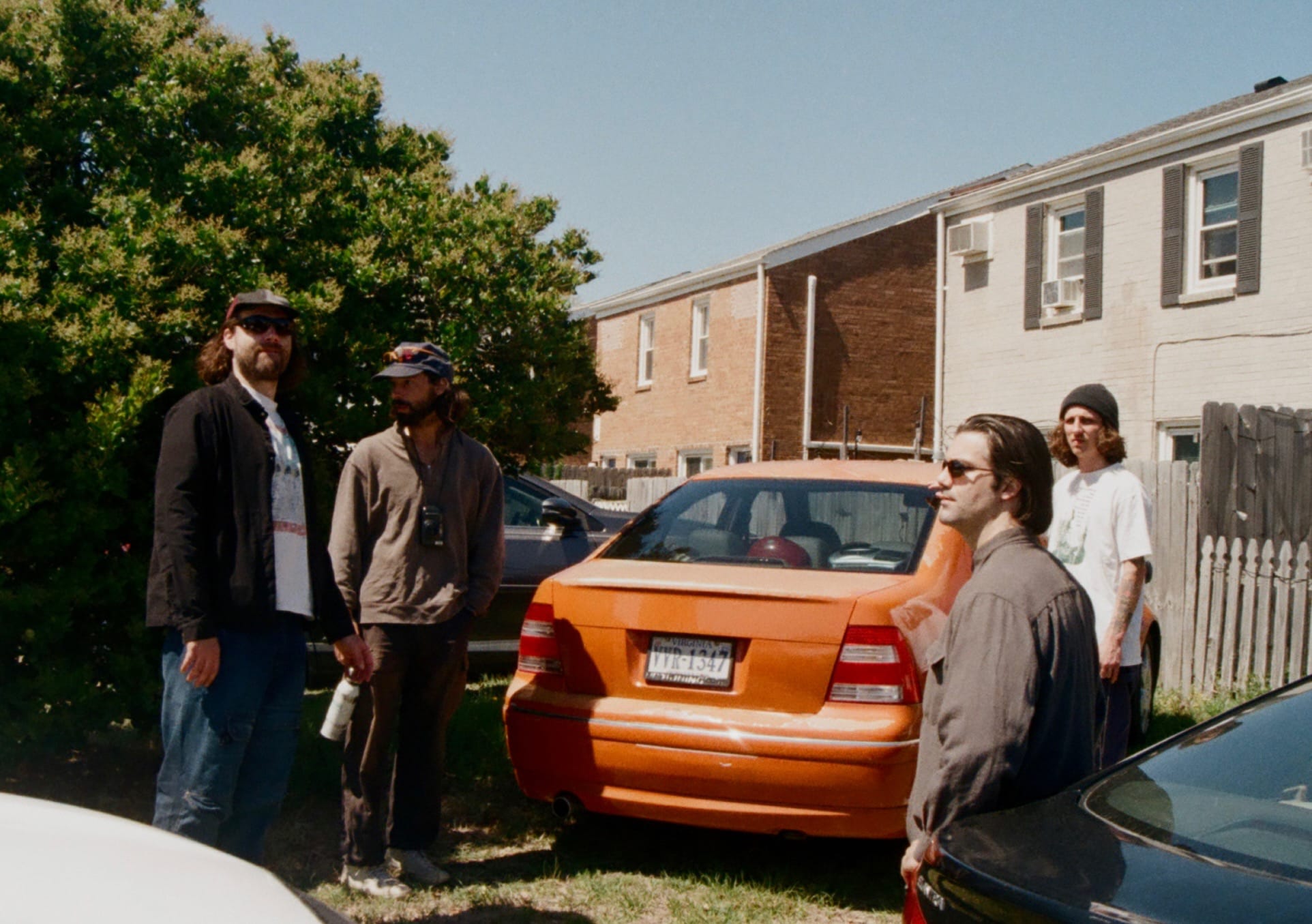
Down on Earth brings jangly guitar arpeggios and the lush bass lines of Good Nature back to the center; Austin Getz’s voice - now married and likely no longer inclined toward post-adolescent drama or early romantic enthusiasm - experimentally shifts into a more relaxed baritone, veering toward vaguely Ian Curtis–like vibes. The album is about people trying to escape the emotional gravity of life, only to be constantly pulled back to earthly fragility. And so the band’s more classic dream-pop bursts are interwoven with a deep, at times mournful vocal delivery: I See You and Realize is essentially their attempt at a post-punk revival; My Head is a Curtain is a heartbreaking ballad that almost serves as a metaphor for the entire record (“I’m old enough to know that you can’t have everything that you want, but I wish I could go at the speed of light”). You want to dream, but these times are a constant chase of inconsolable news buzzing in the mind like intrusive thoughts, like “little bees,” summoned by the acid MBV-like distortions in the title track. Spade Head closes the album with weightless, fingerpicked chords in a Cocteau Twins vein.
To imagine them daring more than on their recent releases - at least in the way I can envision it - would probably have resulted in too drastic a departure from the band’s DNA. Instead, the overall result here is an introspective record, yet one that still maintains a sedative, floating tone: a version of Good Nature that is less radiant and less ablaze with hope, something evident even in the livelier moments like Nightjar, where a veil of darkness hangs relentlessly over even the most ethereal melodies (“Your song filled with sadness agonizing but so sweet somehow”). There may not be the trippy moments that more recent fans were expecting, but this is what our Times (and not just Turnover) are capable of giving us right now.