Basement start from scratch with Wired

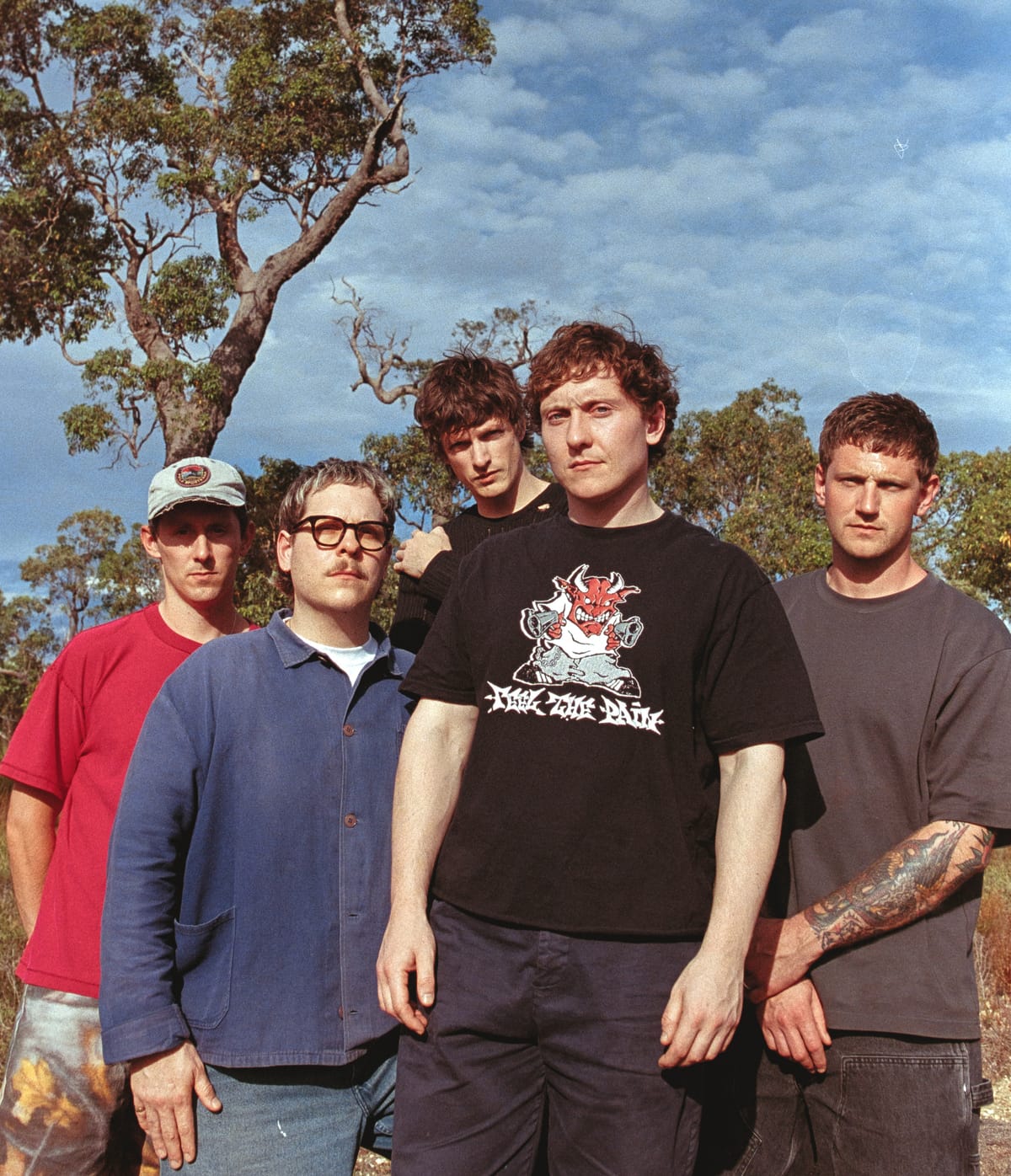
Eight years of silence can feel like an eternity for a band, but some stories never really end. In fact, the story of Basement follows this particular pattern: every time they stop (whether it was the breakup in 2012 or the Covid period), they come back even bigger. This summer, the English quintet returned with Wired as if they had something to prove, first and foremost to themselves. With John Congleton in the producer’s chair, the sound has become rougher, more alive, almost unstable. Behind it all is also the “bitter taste” of their experience with a major label and the need to start from scratch. Free from pressure, the band rewrote everything with more freedom, more urgency, more honesty. While Covet was being reborn on TikTok, introducing Basement to a new generation of listeners, the band was working on the new album, pouring out emotional outbursts and more fragile moments. It’s a record about choices, forced pauses, and what happens when silence lasts too long. In this interview with the Ipswich band, we try to understand what happens when a band decides to return without compromise.
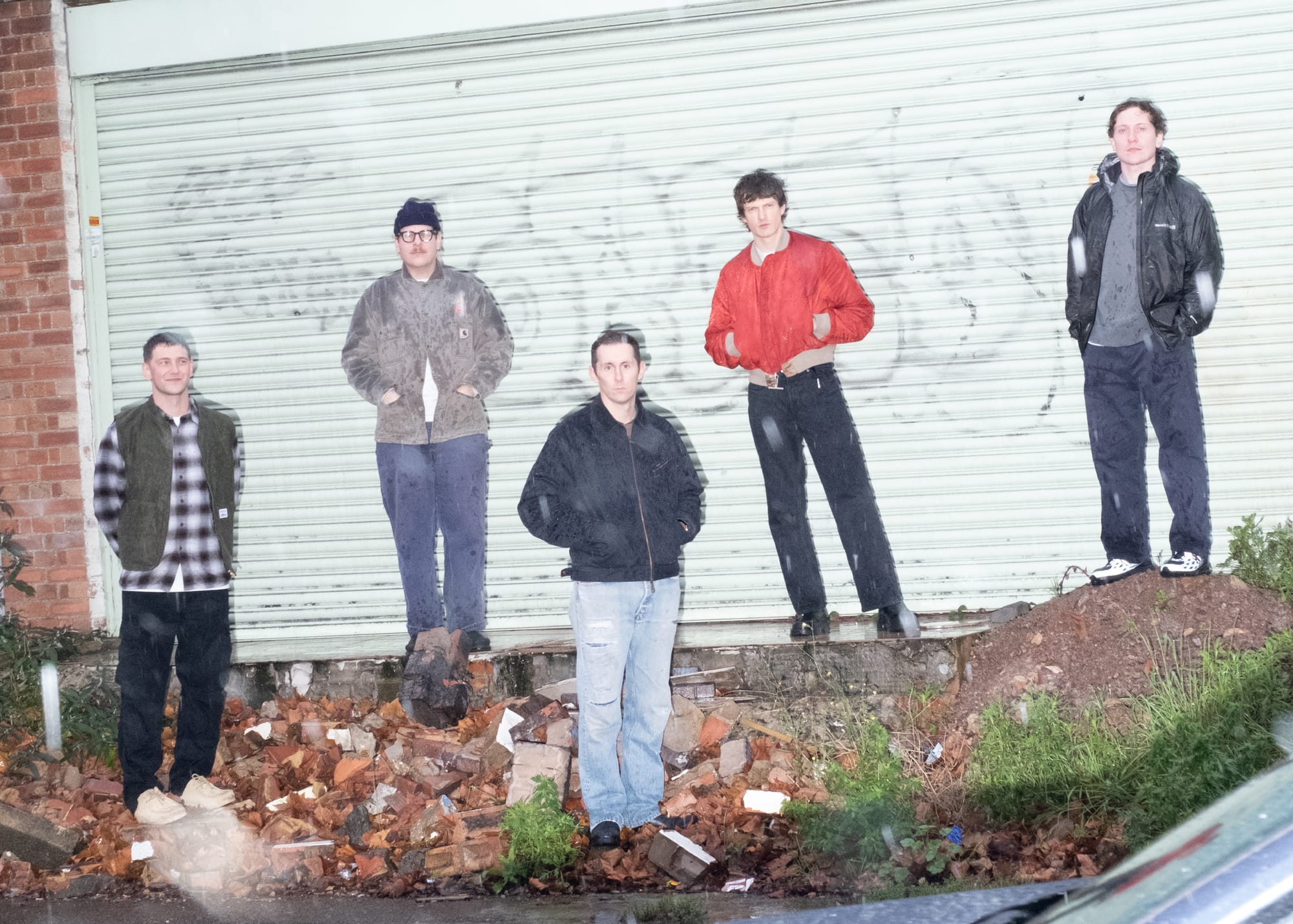
Eight years is a long time for a band like yours. But the real question isn’t so much “why come back now?” as: why come back with a record that, by your own account, had to feel divisive and definitive?
Good question. Because it’s absolutely not about the timing, we could have put it out a couple years ago, or waited a couple more - but we wanted it to sound right and feel different. The last record came at a time when we were very burnt out and not completely sure about what music we wanted to make. That culminated in a lot of very safe and sterile decisions. Time away from that period, that record, that roll out experience made us want to really sit and plan and workout what was important - and to us that is trying to make a sonic statement. That doesn’t come from safety or sterility. I’m so proud with what we did.
You’ve said that Wired had to be your most decisive artistic statement yet. When did you realize that simply making “another Basement record” was no longer going to be enough?
Just to be clear, we’ve never actively tried to ‘make another Basement record’ haha - but again, we just couldn’t play it safe. It’s still the same people and the same instruments, but we wanted it to feel more volatile. We knew we wanted to push it as soon as we decided to make another record. Almost like it was our last chance.
Did you ever feel like the band had reached a genuine crossroads? And if so, what pushed you to keep going?
Absolutely - we took a year off before Covid because we needed a break. One year turned into four and there were times we were worried it would never end - but we all found the courage to express how we felt and how much this meant to us, and that courage and vulnerability is what kept us together and focused us to keep going. I’m so glad we were able to do that.
You’ve described this as “a record people will either love or hate, but definitely won’t feel indifferent about”. These days — with a few rare exceptions — chasing the broadest possible consensus has almost become an obsession in the music industry. What kind of reaction do you expect from listeners, or perhaps even hope for?
I just hope people get that we genuinely care and we genuinely tried. You can dislike it, but you can’t think we faked it or phoned it in. I’d love people to like it, but I am so proud of this record and I know that we’ve done what we wanted to do, so the rest is kinda just noise.
Was bringing John Congleton on board primarily a stylistic decision? In what ways do you think he helped push or evolve your sound?
It was an everything decision - we met with him in 2017 and immediately connected on our approach to music and recording specifically, but the timing never worked out. Between then and recording he had made so many more incredible sounding records that we really wanted to work with him. We wanted the opposite of clean and safe, and that’s the world where John thrives. He pushed us to be us and not care about anything else.
Andrew speaks pretty openly in the press release about the major-label experience as something that left “a sour taste.” What exactly didn’t work, and how would you look back on that period now?
I’m going to choose to focus on the incredible positive things that have happened since then - without that experience we may not have been aware enough of how important Basement was and is to us. When you’re in it you take things for granted and simple silly things become the worst imaginable. Time aware after a negative experience forces you to re-evaluate your relationship towards things and people and see the good in them. See the importance and the power. I’m glad we got dropped - without that experience WIRED would never have happened.
The story of Covet will probably become a pretty emblematic example of how media culture works in this decade: a 12-year-old song suddenly finding a second life through TikTok. What did you make of that strange turn of events? Did it feel odd to see a band rooted in such a specific underground culture suddenly being thrown in front of a much wider audience through an algorithm?
It’s so crazy and so awesome. When it started happening I laughed, when it continued to happen I kept laughing and when it was still happening after we released new music I was so grateful there was this whole new, younger and enthusiastic audience hungry for new Basement music.
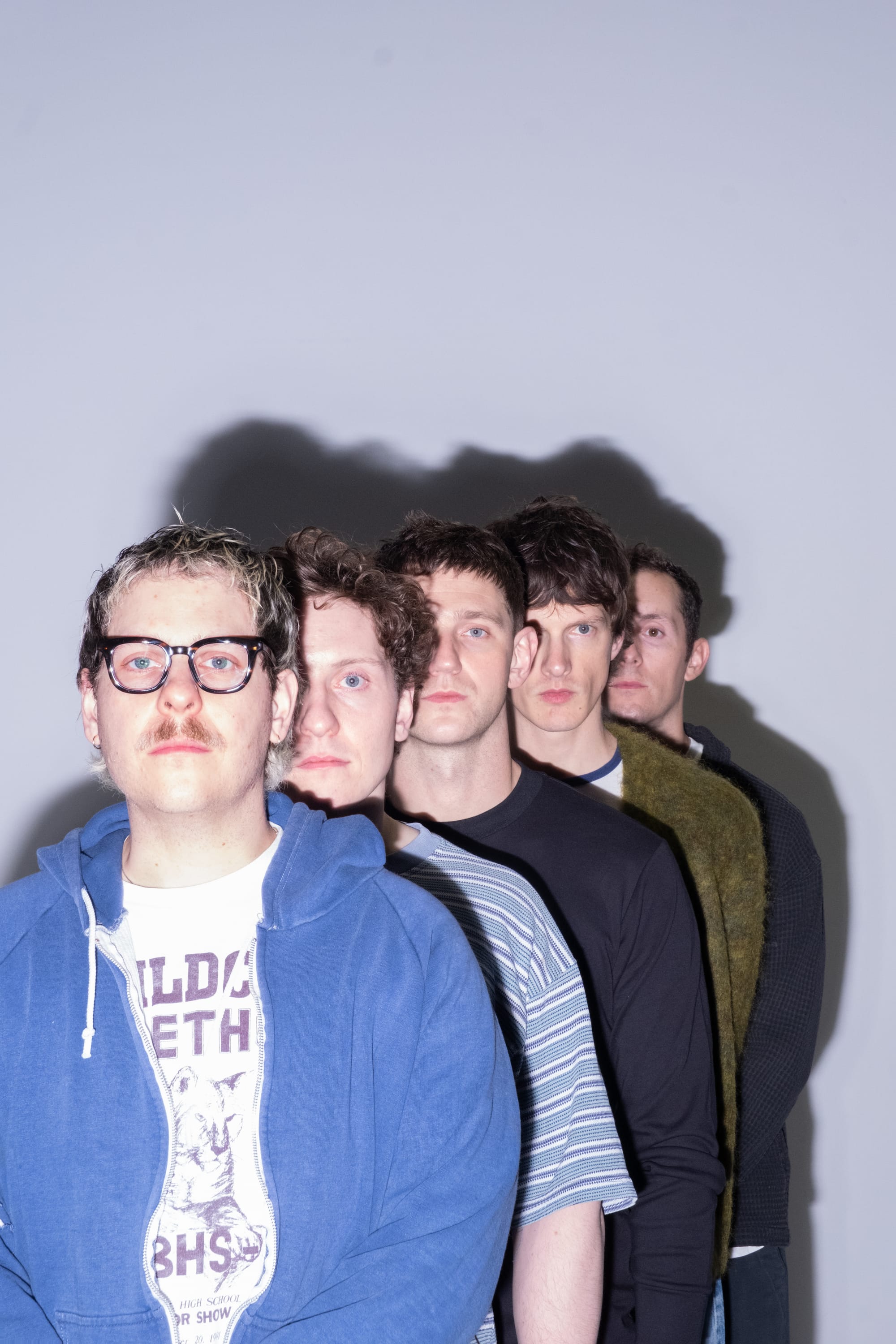
Lastly, what did the silence of these years teach you? And in what ways do you think you’ve changed?
Damn, honestly this question could be the whole interview. I could talk on this for hours. Instead I shall be concise and cliched - I am grateful for every misstep that has happened and the time and space we were all afforded between then and now. It allowed us to focus on what matters. I don’t regret any of it because it lead us here. I’m working every day to be a better listener and friend to those around me. I’m trying to not sweat the small things and focus on the bigger picture. I’m trying to be grateful for everything and appreciate how lucky we are. I’m trying to be proud of my achievements and use that pride to shine a light on the importance of the creative arts in how it shapes and supports society in more ways than we can imagine.