Photographing what Remains, the work of Jana Sojka

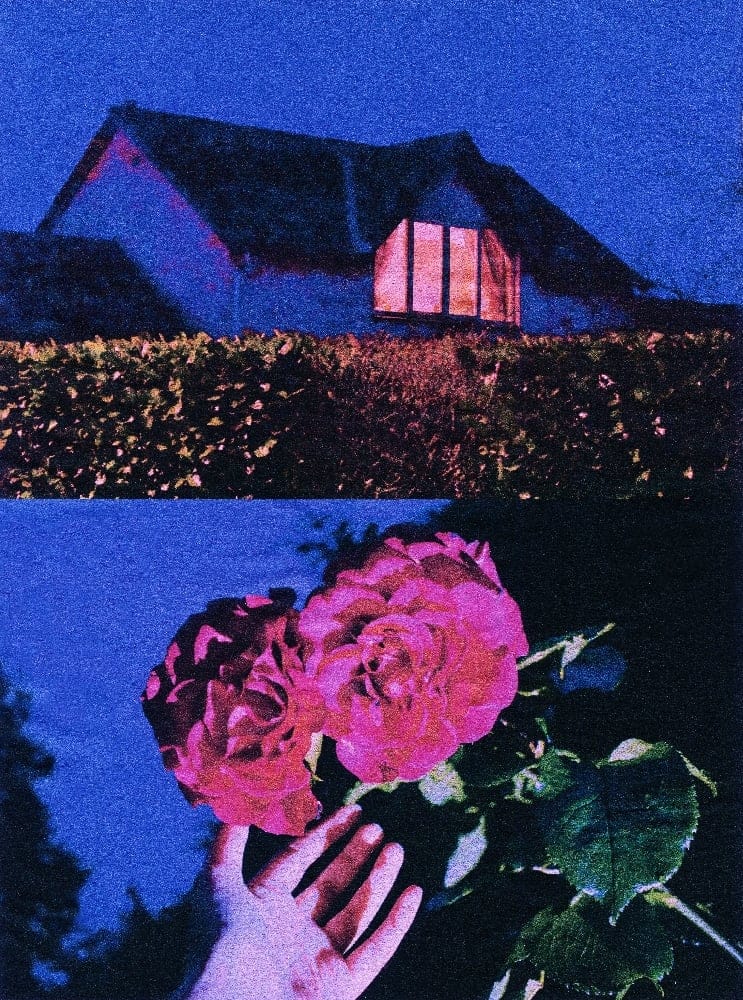
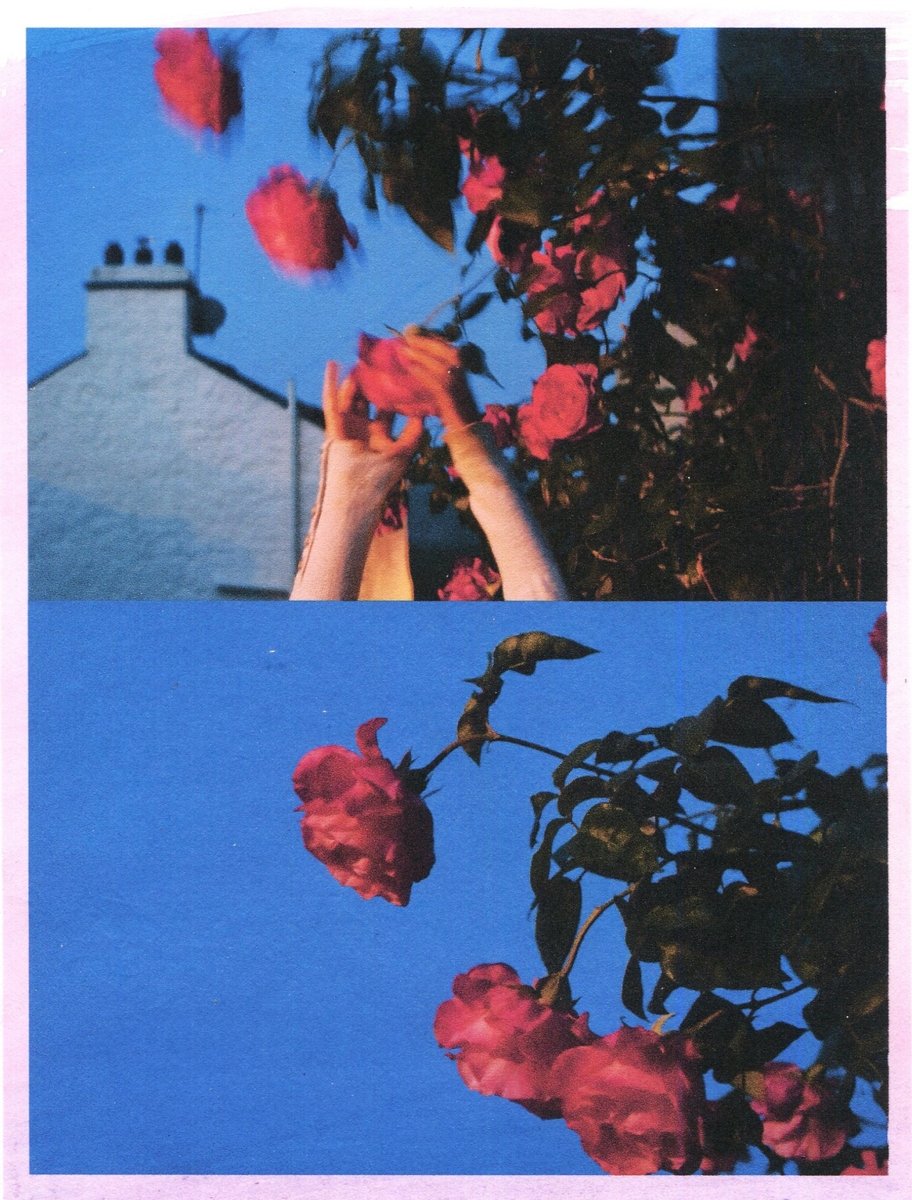
Raised in Poland and now based in the United Kingdom, Jana Sojka has built her artistic practice around everything that remains: fragments of memory, traces of time, images suspended between presence and absence. A self-taught artist, she began her creative journey outside traditional art circles, finding in photography, collage, and cyanotype the tools to explore the ways in which we preserve what risks disappearing. Her work often emerges from her own archives — old papers, found photographs, objects connected to family history — and from a deep attention to moments of transition: twilight, the silence of a landscape, the instant when a memory resurfaces. Her diptychs, in which two seemingly distant fragments enter into dialogue, tell the story of precisely this in-between space: the space between what has been and what continues to live within us. Here, we speak with the artist about her work, the value of waiting in the creative process, and the way art can transform a personal experience into a shared memory.
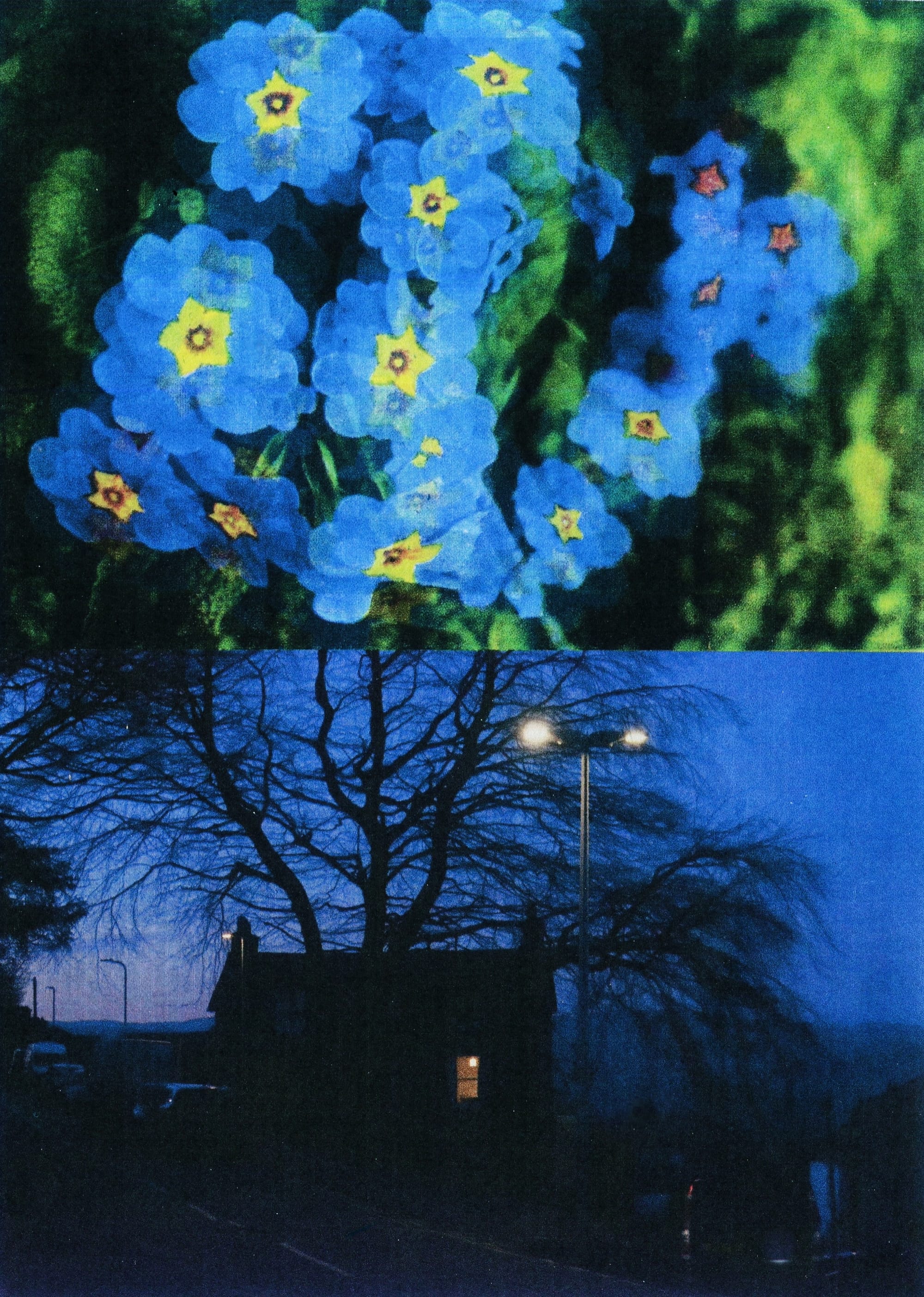
You grew up in Poland, in a context where art did not have much space. How has this absence influenced the way you “see” today?
I think absence can become a way of seeing. When something is rare, you learn not to take it for granted. You learn to notice small changes in light, the shape of a shadow on a wall, the particular silence of an evening. Art did not enter my life as something obvious, but as a kind of opening. Perhaps that is why I am drawn to things that are quiet and fragile. I learned early on that what matters most is not always what occupies the most space. Growing up, I often felt that beauty appeared indirectly. Not through museums or major cultural experiences, but through ordinary things: frost on a window, a street after the rain, the sound of a train leaving a small station. Looking became a form of companionship. I think I still photograph in this way: not to collect the world, but to remain close to it. And perhaps this is why nostalgia appears so often in my work. Not because I want to return to the past, but because I am interested in the way certain moments continue to live within us long after they have disappeared.
Blue returns as a central colour in your work, especially in moments of transition such as twilight. What emotional state does this “threshold” represent for you?
Blue feels to me like a balance between presence and memory. It belongs both to water and sky, to distance and intimacy. It is the colour that appears when things become less certain and more truthful. I have always been fascinated by twilight because nothing is completely arriving or leaving. The world hesitates. Edges soften. Things stop imposing themselves. Many of my images are born from that hesitation. Blue also reminds me of displacement and uprooting. I grew up beneath one sky and became an adult beneath another, and yet the colour has remained the same. There is something deeply reassuring about that. Sometimes I think I work with blue because it allows contradictions to coexist. It can hold pain and tenderness at the same time. Solitude and belonging. Departure and return. When I look at a cyanotype, I do not feel that I am simply looking at a colour. I feel that I am looking at time made visible.
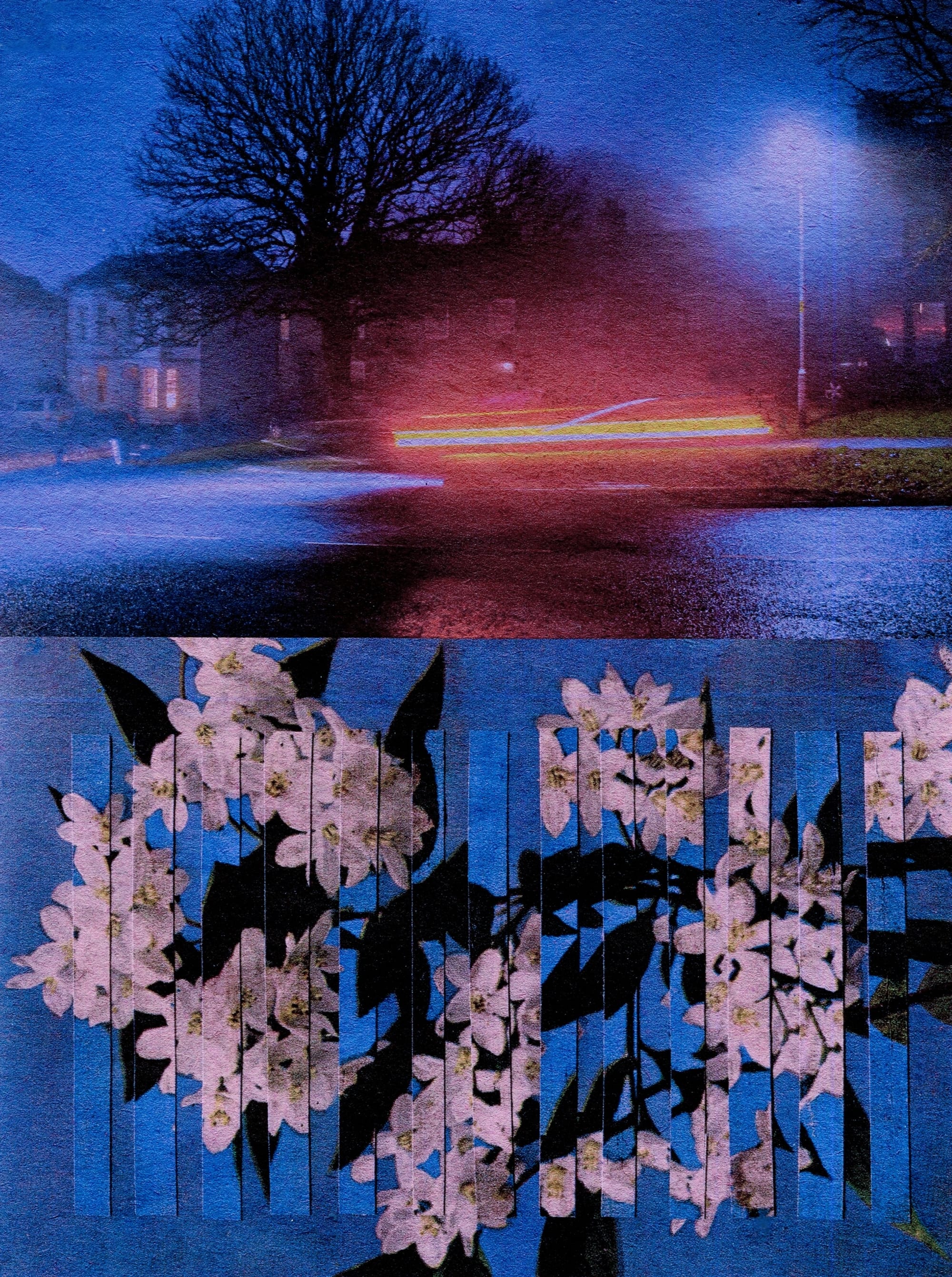
Your practice often involves analogue techniques, long exposures, and material manipulations. What does analogue offer you that digital cannot reproduce?
The analogue process reminds me that images have a body. It requires waiting. It has weight, texture, and resistance. Water leaves traces. Chemistry has its own moods. Light behaves differently every day. I am interested in this collaboration with uncertainty. The image is never entirely mine. Something from the world participates in its creation. I am drawn to the fact that the process resists complete control. We live in a culture that wants everything instantly and perfectly. Analogue techniques ask for the opposite. They ask for trust. This unpredictability feels very close to what it means to be human.
Diptychs seem to be fundamental to your visual language: two moments becoming one. What led you to choose this narrative form?
I do not often think in terms of single images. One photograph tends to call for another. A flower recalls the sea. A mountain recalls a shadow. A body recalls a landscape. Diptychs allow distance to become visible. They create a space in which two images can speak to one another without explaining themselves. What interests me most is often not the images themselves, but the invisible current that moves between them. Perhaps this comes from living between different places. Between Poland and England, between memory and the present, between who I was and who I have become. The diptych gives form to this in-between space. It allows two truths to exist at the same time without forcing them to merge. I trust that space — often more than I trust certainty.
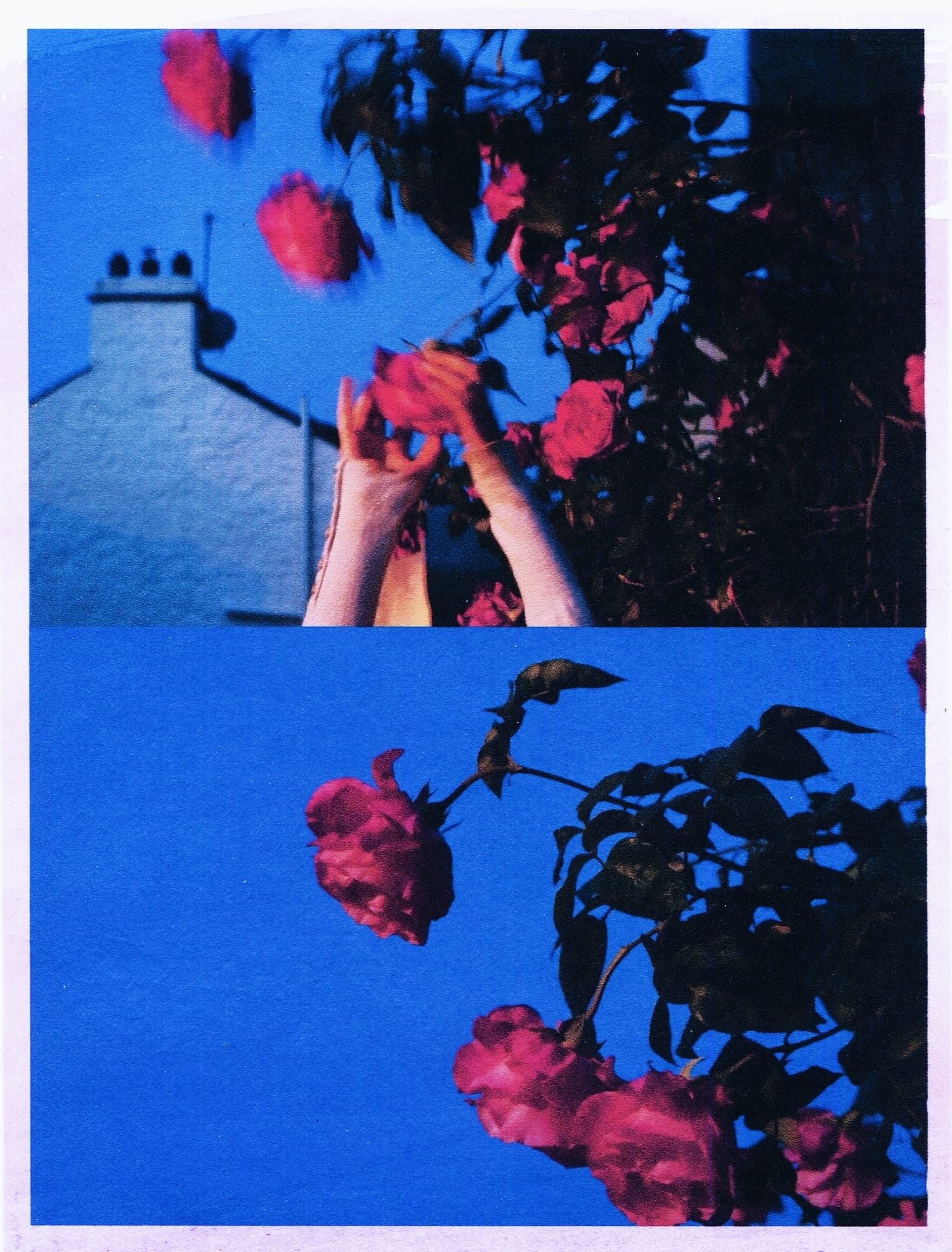
Many of your works emerge from deeply intimate personal experiences. Is there ever a risk of feeling too exposed when transforming the private into images?
I rarely think of images as self-portraits, even when my body appears within them. The moment an experience enters a work of art, it begins to belong to something larger than personal biography. I am not interested in confession; I am interested in translation. The challenge is not how much to reveal, but how to transform something personal into a space where another person can recognise their own memories. What happens when a person becomes part of a place? What happens when memory becomes visible? Private experiences are often the ones that connect us most deeply. Not because they are unique, but because they are shared beneath the surface. Loss, nostalgia, wonder. The desire to belong to a place. These feelings never belong only to me.
If you were to describe your practice as a movement (rather than as a language), what would it be: return, waiting, or escape?
Waiting. Not a passive waiting, but an attentive one. The kind practised by water, by trees, by light moving slowly across a room. Most of my work emerges when I stop trying to force an image into existence. The photograph arrives when it is ready. The cyanotype appears when the light has finished its work. Perhaps my entire practice is simply an attempt to remain close to that moment before something becomes visible. The moment when the world is still deciding what it wants to reveal.
 Jana Sojka