Klimt 1918 - Àmor



 7.0
7.0
It has never been easy, in any latitude of the world or any historical period, to grow up as a maladjusted teenager—impatient to show the world one’s own sense of estrangement and disgust toward mass trends, despite having been born without that brazen rebellious attitude that makes you say, “now I’m going to dress like a sexy nun and go to a Marilyn Manson concert.” If this is true, it is even more so for those who experienced their teen years in Italy around the early 2000s. There wasn’t a real “movement” for shoegaze and post-rock, unlike what existed in indie and alt-rock: there were Cosmetic, for those who wanted a Dinosaur Jr.-style slackery—noisy but never poseur; at times there were Rev Rev Rev and Stella Diana, retracing with a pen the glories between post-punk and the early days of gaze; there were Giardini di Mirò reviving those foggy Anglo-Saxon atmospheres on Italian soil; and then there were Klimt 1918. These last ones hadn’t invented anything when they debuted in 2003 with Undressed Momento, but over time they managed to become, as the saying goes, a “signature sound.” No one else sounded like them in our scene: theirs was an upgrade from record to record, up to what, at least in our view, remains the peak of their production, Sentimentale Jugend (2016). A monolith of 19 tracks submerged in layers of feedback à la Sigur Rós, which, until yesterday at least, had remained their last release for 10 years.
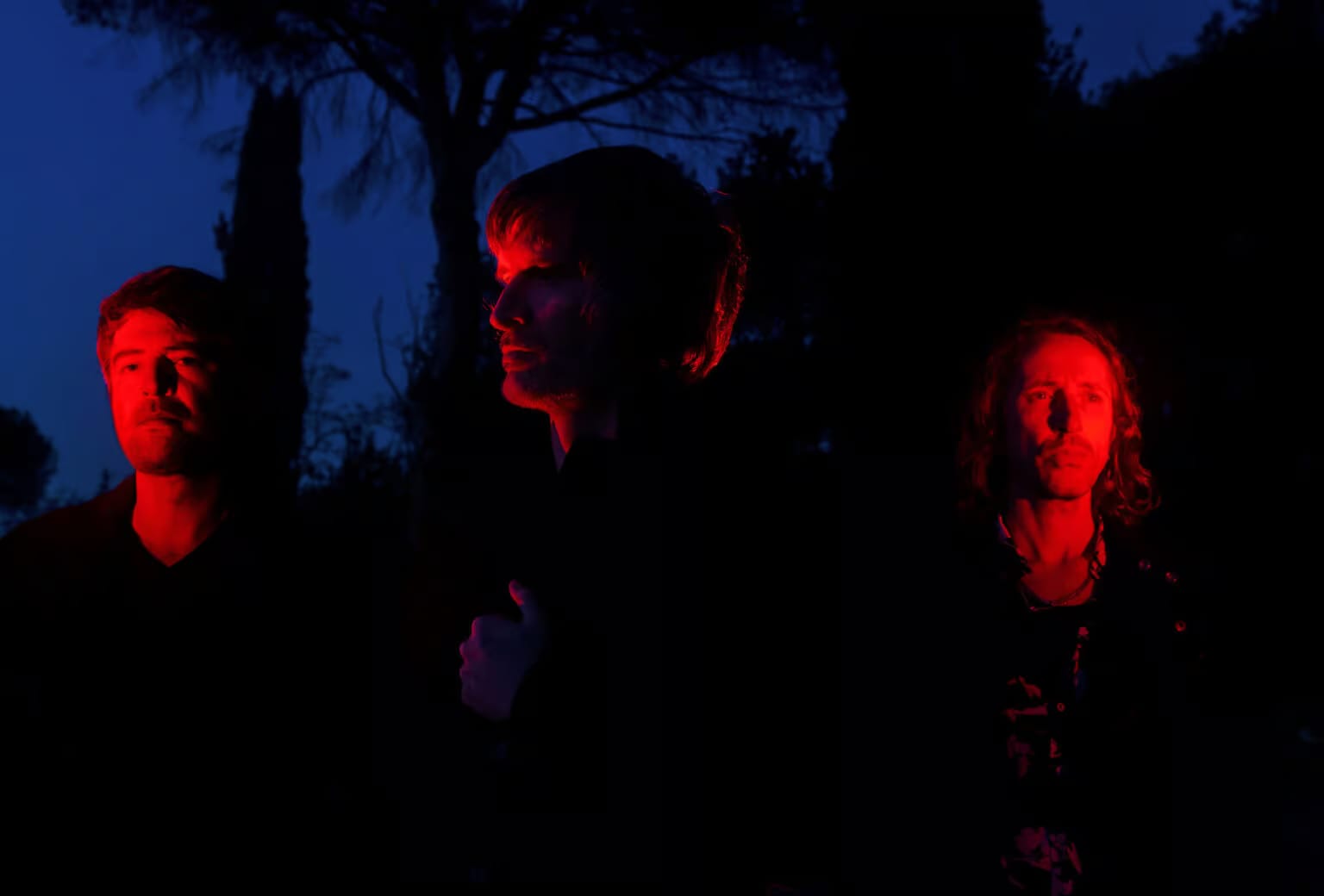
They return today with a new chapter, the fifth in their discography, titled Àmor. The changes that affect an entire scene over the span of a decade are inevitable and, in our case, are particularly profound on the dreampop side (we won’t revisit them here in detail; we refer you instead to one of our in-depth pieces here). Does the Roman quartet feel the impact? The impression after a second listen to the album is that the band has essentially been “camped out” in their studio from 2016 to today (whatever interpretation one chooses to give that remark, it remains entirely subjective). The tracklist is entirely permeated by their signature style: orchestral textures with guitar waves soaked in reverb in place of strings, and choruses dissolving into the air. The opening track Dream Core is entirely programmatic in this sense (the video seems to bring a Galaxie 500 cover to life); the closing section of Aventine evokes Ride-like inspiration, while Eros has a clear unfinished dialogue with Slowdive, despite the uninvited intrusion of brass instruments. A few tracks do slightly diverge from the blueprint: the Bono-esque Un’Été invicible rewinds the thread of their connection with U2, already present in Klimt’s early records; and Petricore, if only because it is the only song sung in Italian.
The band’s return in the year of reunions (even though, in reality, the collective never actually broke up) is welcome news. As it often happens, there is something sweet and comforting about revisiting familiar sounds—in this case those crystalline guitars that echo like distant signals in the fog, which accompanied you years earlier in your youth—allowing yourself the illusion, even if only for a moment, that time has stood still. The point is that it only lasts a second: once you come back to reality, you realize that time has moved on, many things have changed, in some cases even losing the very features by which you once knew them, and that you yourself are no longer the same either. You pause to think about it, your hand hovering over the “stop” button on your phone as if you were still holding an iPod, only to remember that the new Klimt album is streaming on Spotify—and that even this listening platform (so dominant when Sentimentale Jugend was released) is, in its own way, slowly fading too.