Annie Taylor - Out of Scale

 7.2
7.2
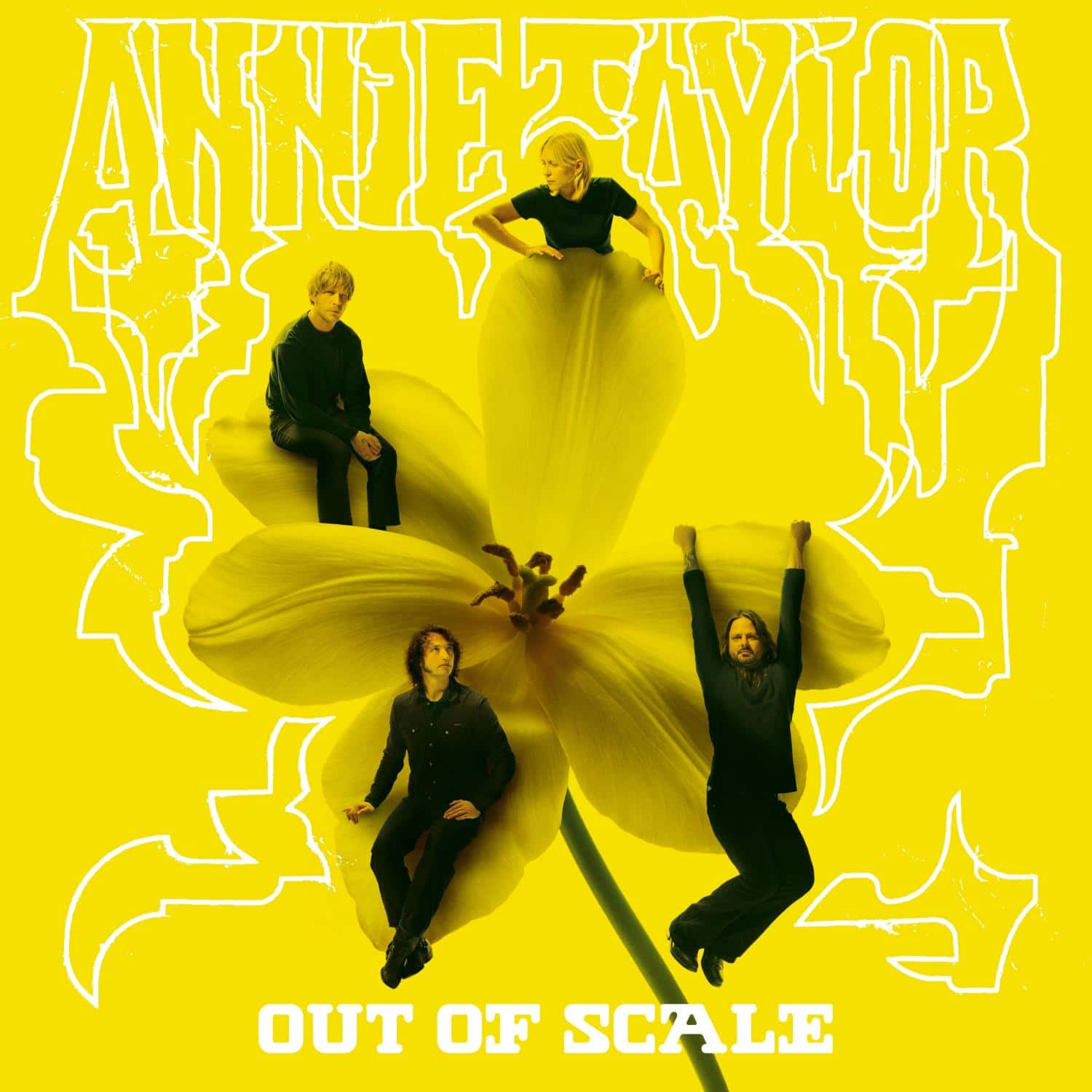
It may seem like the effect of some strange opiate what you are about to read, but at present there is a kind of grunge scene quietly thriving in Switzerland. Of course, “thriving” does not mean prospering, but a quick search is enough to be surprised by the idea of a small, fuzzy revival of flannel-shirt bands in the land of cuckoo clocks (Naked Soldier, Bahnofbuffet Chancental, Radiostrange). The latest iteration of this trend, though with a much more European reach, is the project Annie Taylor, whose name comes from a nonconformist woman—the first to survive a plunge over Niagara Falls in a barrel (no need to add anything else). After two albums (Sweet Mortality, 2020; Inner Smile, 2023), the quartet formed in the Swiss peaks has exported Alpine rock even overseas, with fiery performances at SXSW and KEXP. They now return with the third chapter of their discography, Out of Scale, via Clouds Hill, and they waste no time unleashing an immediately cathartic fury that we haven’t been used to hearing in Italy for quite a while. Alligator feels like a 2020s version of Nirvana’s opening on Bleach, with singer Gini Jungi, somewhere between Kim Gordon and PJ Harvey, spitting sugary melodies with a sharp, acidic aftertaste (though in reality the process is exactly the reverse: the voice sounds poisoned at first listen, only to reveal itself as extremely catchy listen after listen).

You don’t really make it out of the 90s alive. Tracks like Lucidity completely betray this kind of emotional stasis, even though the temporal limbo feels more like the post-Cobain era: guitar-driven rock, certainly, but less abrasive and brash, more sugary and closer to Hole. Already in That City, for example, everything becomes more melodic and dreamlike, at times even refined, opening up a certain flirtation with the subdued tones of folk that continues in The Ocean, a British-style ballad, somewhat melancholic without ever becoming funereal. Places mirrors it with its gritty little guitar riff and a melody that feels like an endorphin overdose. And so, with this constant ebb and flow, the album carries on to the end, with The Cure and What Do You Have to Sell partially recovering a Sonic Youth-like psychedelic edge, without ever truly driving the noise knife all the way in.
The general meaning that can be read between the lines of the lyrics is always, in a way, an escape from an overloaded and performative world (Overload is paradigmatic in this sense). Yet the album’s title, Out of Scale, had promised something outside the conventional range, something that would evade the norm. What we have here is certainly an enjoyable, energetic record with a clear identity, one of those albums that makes you reconsider the early records of Garbage now that they’ve lost some of their bite. At the same time, though, it feels like it avoids getting its hands too dirty, wary of losing ground on radio-friendliness, and ultimately doesn’t push as far as it could have.