Hum, the new nostalgic chapter of Swim Deep

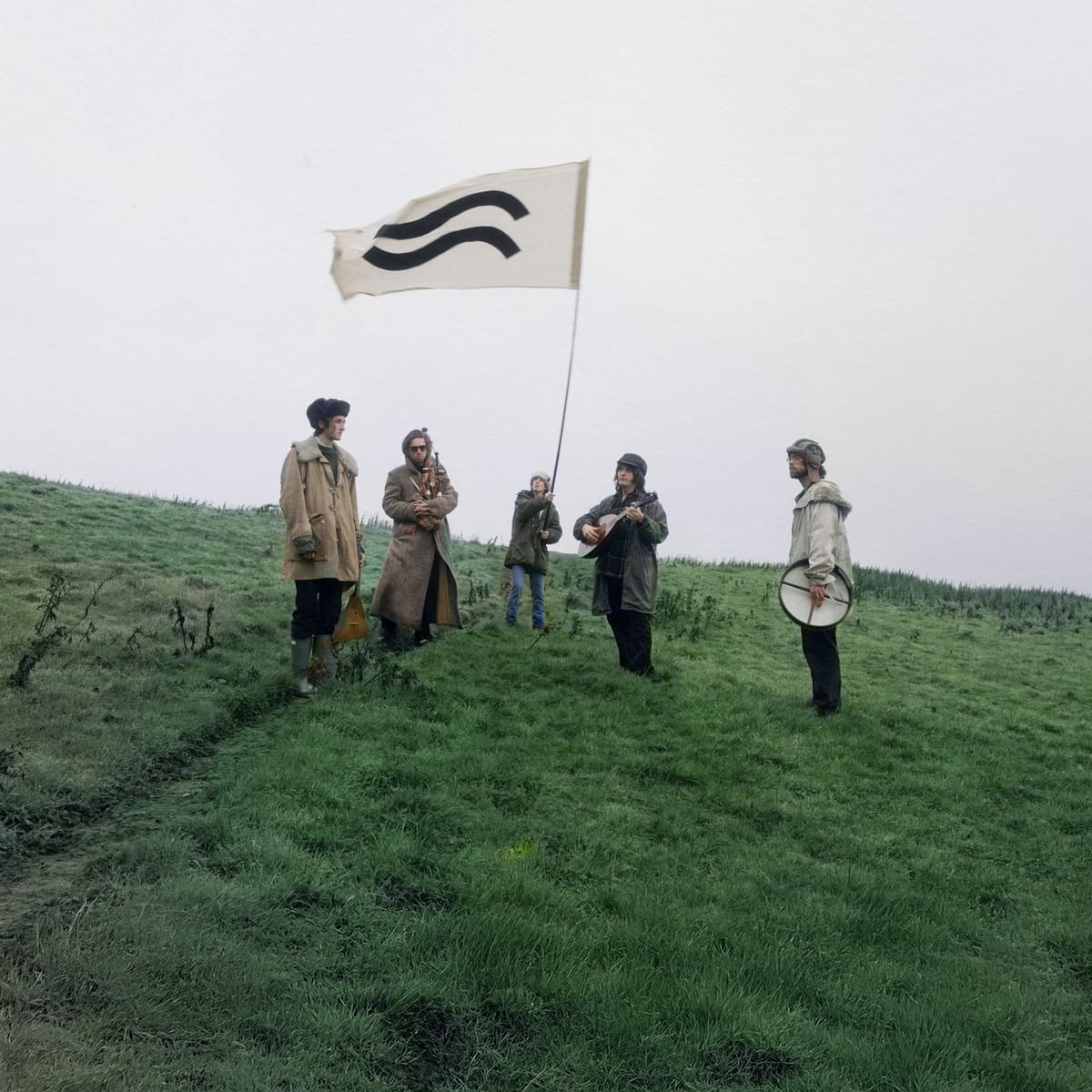
With their fifth album Hum, set for release on June 19 via Submarine Cat Records, Swim Deep return to tell their story from a completely different stage of maturity compared to their early days. Rising from the early 2010s English indie scene, the Birmingham band now finds itself confronting a reality shaped by personal changes, new responsibilities, and deeply transformed internal dynamics. Previewed by the singles Mud, Pieces of You, and I Keep Her Photograph With Me, the record appears to showcase a more emotional and dreamy approach compared to the band’s recent past, also reflecting the personal changes and experiences of its members over the last few years. We sat down with frontman Austin Williams to dive deeper into their latest work.
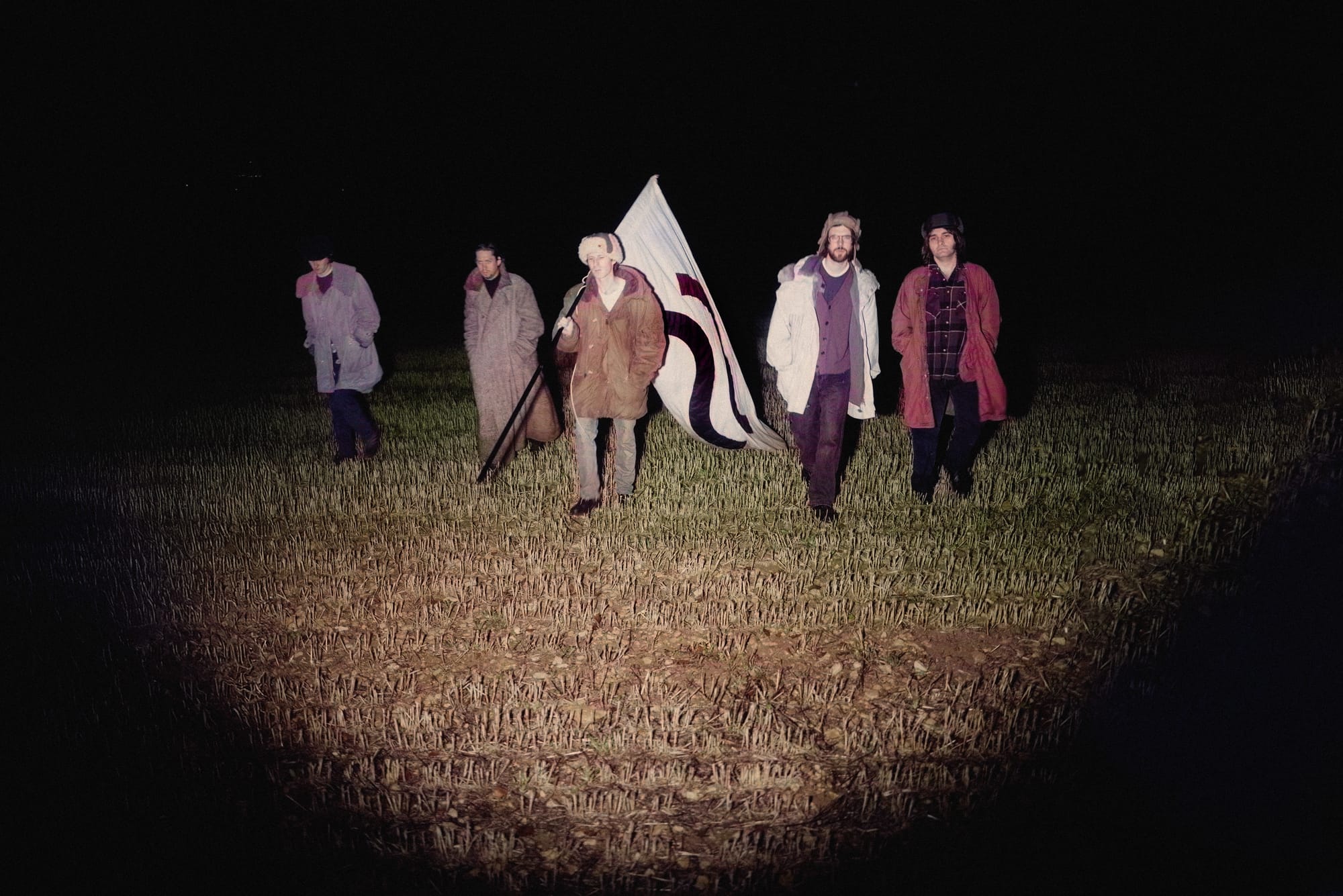
You’ve often described Hum as a kind of “achievement,” because you’ve finally managed to fully understand who you are. So the question is: who are Swim Deep, and how different do you feel compared to 2013 and your first record?
I must have been pretty hyped that day to say I knew exactly who I am, because I think it’s still a journey I’m on — as I believe it is for everyone. But yes, we are different in many ways. Personally, I now have a family: two children and a wife. At the beginning, the band was made up of five best friends and we were all between 19 and 25. We used to sleep at each other’s houses; we were very close-knit. Then, as you grow up, everyone starts their own life: you get into a relationship, settle down, take different paths. The way we are a band today is very different. It’s still something we love deeply and try to make work, but I think it’s less of a “gang” now — it’s more… how can I put it? I don’t know, it’s just that… we’ve been through so much together, we’re still as close as we’ve always been, we just don’t live in each other’s houses anymore. So the dynamic is very different, I think.
Coming back to the upcoming album, have there been any new inspirations or influences in this record? In the singles that preceded it, for example, I could sense a certain shoegaze influence from Ride, Catherine Wheel, or the early The Verve
Yes, I definitely really like all those bands. I actually haven’t listened to Catherine Wheel in a while — you’ve just made me think of them again. Ride, on the other hand, have always been a reference point for me: the rawness of that sound, that almost dreamlike atmosphere while still feeling very rough and real. That connection between realism and a kind of dreamlike dimension is one of the things we wanted to achieve. And then, yes, the early The Verve — A Storm in Heaven, that period where the guitars were enormous, like tsunami waves. That was a huge inspiration. But I’ve also always been inspired by Richard Ashcroft’s folk songwriting, the kind driven purely by stories and melodies, without all that noise around it. And then there are other bands like Screaming Trees and Mark Lanegan, which might not seem like obvious influences because we don’t really sound like them, but they were things I listened to a lot. I think the Screaming Trees had this kind of slightly disoriented, leather-trousers rock music that really hit me deeply. It wasn’t some kind of parody — it felt authentic, very real, and also very painful.
There’s a sense of nostalgia running through your music that seems to flow across all the tracks in your work. How do you explain that, and in your view, can nostalgia change shape over time?
Over time, yes. There’s a word — anemoia, or something like that — it’s a coined term used to describe nostalgia for something that never actually happened. I think I’ve always struggled to find a balance between looking back and appreciating the past without getting trapped in it, longing for what used to be, because you always have to keep moving forward. I don’t want to make music that looks backwards — I want to make music that looks ahead, that exists in the present moment. I think that’s where that nostalgic sound comes from. It’s not nostalgia tied to something specific; I think it’s more a feeling of comfort and familiarity. Because I even feel nostalgia for things that, at the time, weren’t even enjoyable — like lockdown: I actually feel a certain nostalgia for it, even though I had a mental breakdown during that period. Or being stuck in an airport all night, sleeping on terrible chairs. In hindsight you look back and think, “Oh, that was actually a good moment,” even if it really wasn’t. So it’s a feeling you give yourself, and I think that’s one of the beautiful things about music: you can listen to it and feel that comfort without even really knowing what it means.
We know that in recent years you’ve faced several challenges, such as side jobs, financial difficulties, and members leaving the band. Do you feel part of a generation of English bands (or perhaps it would be more accurate to say European bands) that have redefined what it means to “survive” in and through music?
Of course. I often wonder how all of this is already changing the musical landscape, and how it will continue to do so. We’ve reached a point where bands have become content creators, and it’s basically the only way to get your music to reach people. When we started, back in 2012 or 2013, Instagram was just a kind of curious app — a novelty. It wasn’t something everyone had to use. You promoted your music through the press, printed magazines, radio… you didn’t have to create content. We did it anyway, but because it was fun. And there were no rules: no like counts, no analytics, none of that stuff. I think today artists are trying to push back against the idea that they need to create content in order to sell their music. Because unless you find that perfect balance — where you’re also a comedian, a funny character people want to follow, or you’re constantly touring and can generate authentic content all the time — it becomes a kind of slavery. I think there will be a backlash against all of this, and things will be pushed back into the underground again. I don’t know exactly how, but I’m curious to see what the change will be, because it has to happen. I don’t think it’s sustainable for artists to constantly move away from the artistic side and compromise the art they’re creating. Stuff like: you’ve written this beautiful song… and the only way to get people to hear it is to do some internet skit.
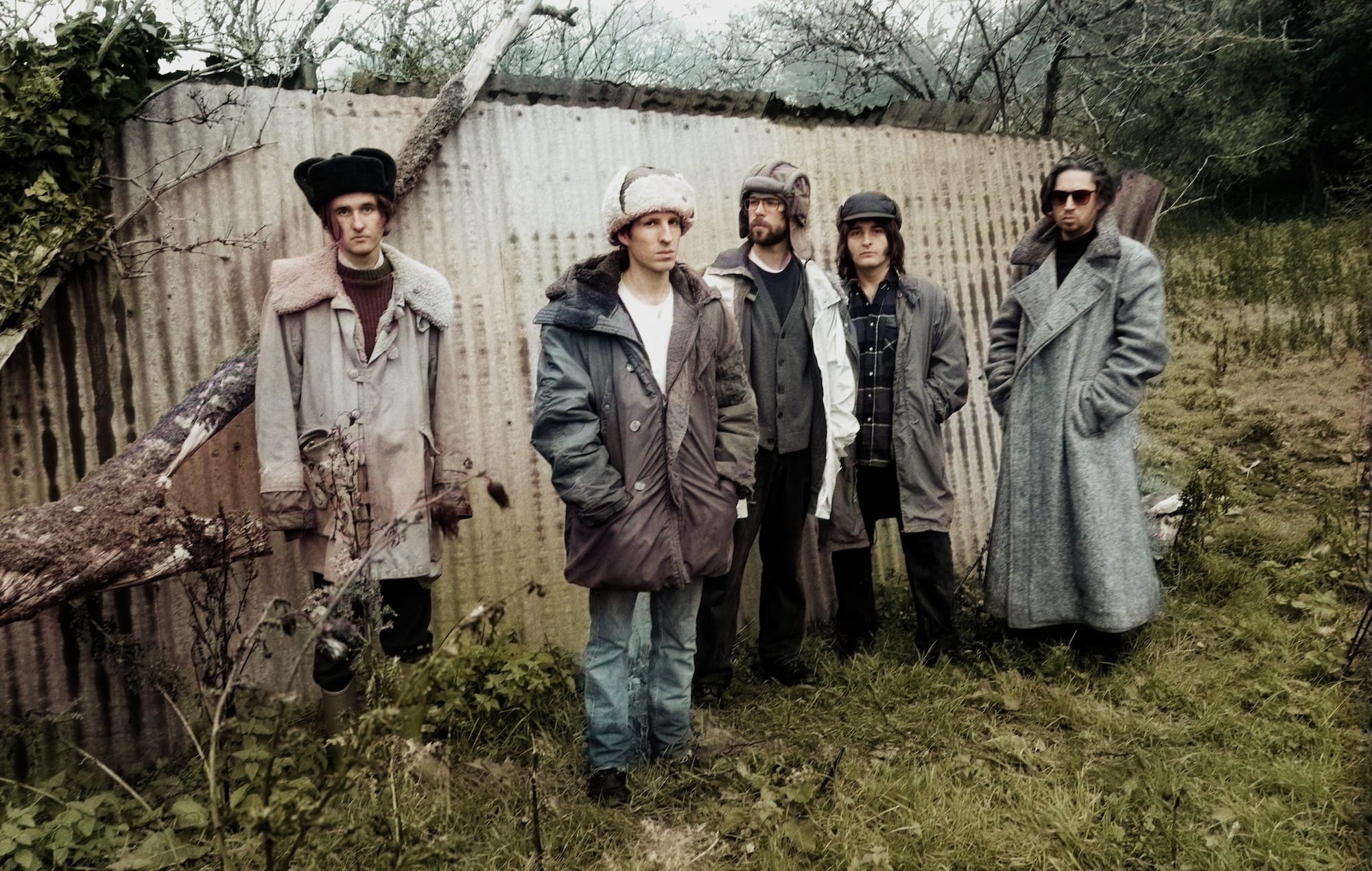
Have you ever seriously considered ending the band?
Not really. I find it difficult… well, actually I don’t even really know what “stopping” means to me when it comes to music. Because I think I’ll always keep making it in one way or another. Maybe Swim Deep won’t last forever, but right now I don’t see a reason why we would actually put a definitive end to it. I don’t think something like that really exists, at least not for now. But it is really difficult, because I do understand what you mean. How do you keep going when you’re faced with so much rejection and disappointment? When you pour your whole life into something… it’s hard, really. I don’t want to sugarcoat it or pretend it isn’t.
Regarding Bill Ryder-Jones, you’ve often highlighted his crucial role in your latest album. In general, but especially in this new record, what kind of contribution has he made to your music?
I think he brought out a side of me… I kind of see songwriting as a form of therapy. He asked a lot more from me than other people have, and I think he really listened to what I was saying in my songs. A lot of the time I didn’t feel like anyone truly understood them, or maybe in the past I wasn’t clear enough in how I was communicating it. But I think he understood what I was trying to say in the songs and encouraged me to go in that direction. And it was a slightly scary thing for me, you know? Talking about such sensitive themes while also trying to make them sound… beautiful, “cool.” You can’t just write: “this was shit,” “this was good,” “this was bad.” You have to turn it into a song. And I think he has that very special, rare kind of magic where he can make everything feel extremely emotional and deep, but in a really fascinating way. So yes… I’d say he’s almost like a mentor.
For your first releases, you were strongly linked to the 2010s indie scene. Does that label feel limiting in any way, and do you think Swim Deep have gone beyond it?
I think I’ve reached a point where I’m actually quite proud of it, you know? Because I don’t think that if I had completely stopped making music, there would have been some kind of closure. But at the same time I’d think: “What a shame that all of that happened… and then ended.” It makes me pretty proud that we’ve managed to transcend a musical scene, if you know what I mean. Because there was a scene, yes, but how long did it really last? Two years? Maybe one at most. And we’ve been a band for 15 years. So that phase was a tiny part of our story, but it had a huge impact and made a big difference. And I don’t want to downplay that. In fact, I’m very proud of it. I think if you had asked me in my early twenties, I probably would have still been like, “Ah, that’s embarrassing,” or something like that. Because you want to be recognised for what you’re doing now, right? I think every artist wants to be recognised in the present. You want to be relevant, you want to have something to say about today’s world, a kind of social reading of it… yeah, I suppose that’s how it is.
We’ll close with our usual “this or that” game — no explanations.
Oasis or Cocteau Twins?
Oasis
Lyrics or music first?
Music (I feel bad about that)
Guilty pleasure in music?
Coldplay
Best british artist right now?
Tony Bontana
An artist you think is particularly underrated?
The Magic Gang
Your dream for the future?
Vivere facendo musica