The return of The Van Pelt
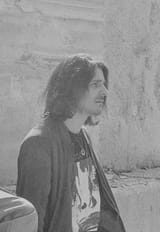
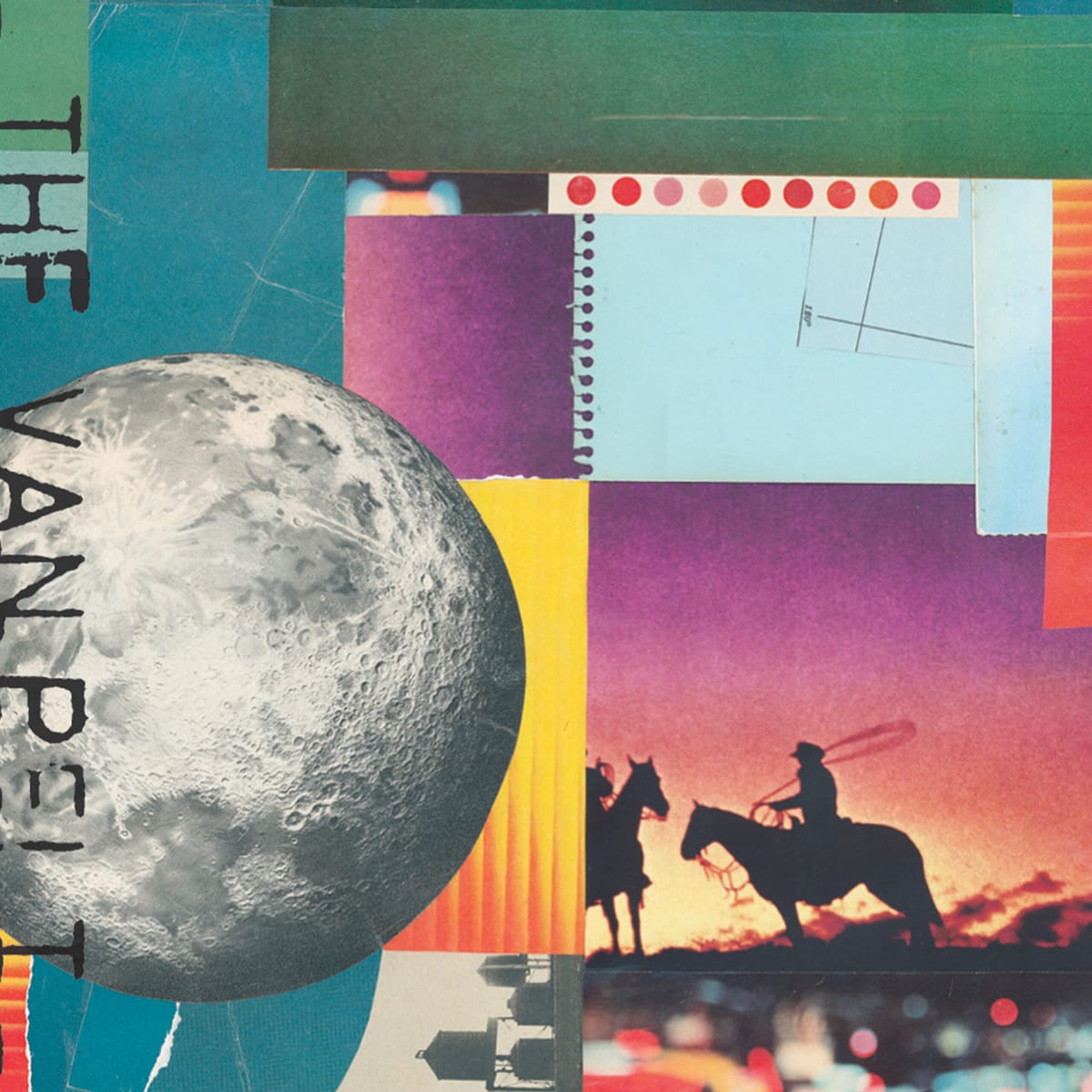
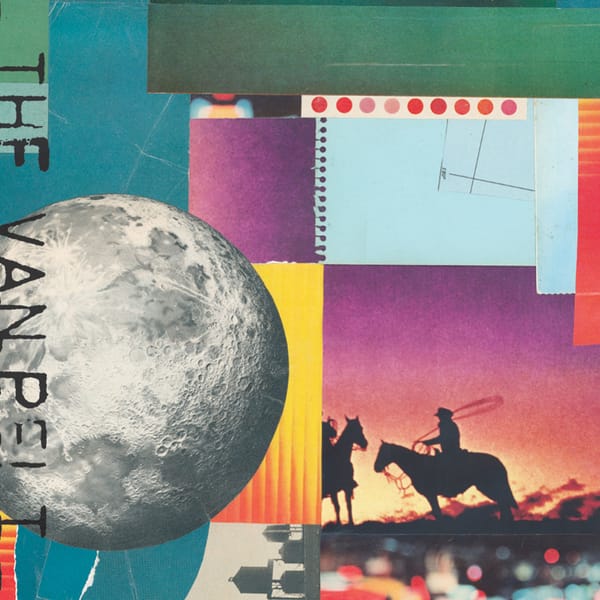
They were never famous enough to be forgotten, and that is precisely how The Van Pelt saved their own skin. The self-titled nature of the work is telling in this regard, celebrating a conscious choice to reject commercial compromises and continue existing away from the spotlight. Thirty years after subterranean masterpieces like Sultans Of Sentiment, Chris Leo’s project returns with Remain Obscure (La Tempesta Dischi / Wrong Speed / Ernest Jenning)—an album that proves nostalgia trips aren't required to stay relevant in 2026. No 1990s museums or algorithmic playlist cheat sheets here. To be sure, the iconic spoken-word poetry and the original post-hardcore backbone remain, but everything is suddenly reshuffled with broader sonic horizons: synths, pianos, pedal steel, and saxophone. Leo’s pen declaims the short circuit between the lives we envisioned and the ones that stuck to us, remaining loyal solely to its own irreducible freedom. We caught up with him to ask a few questions.
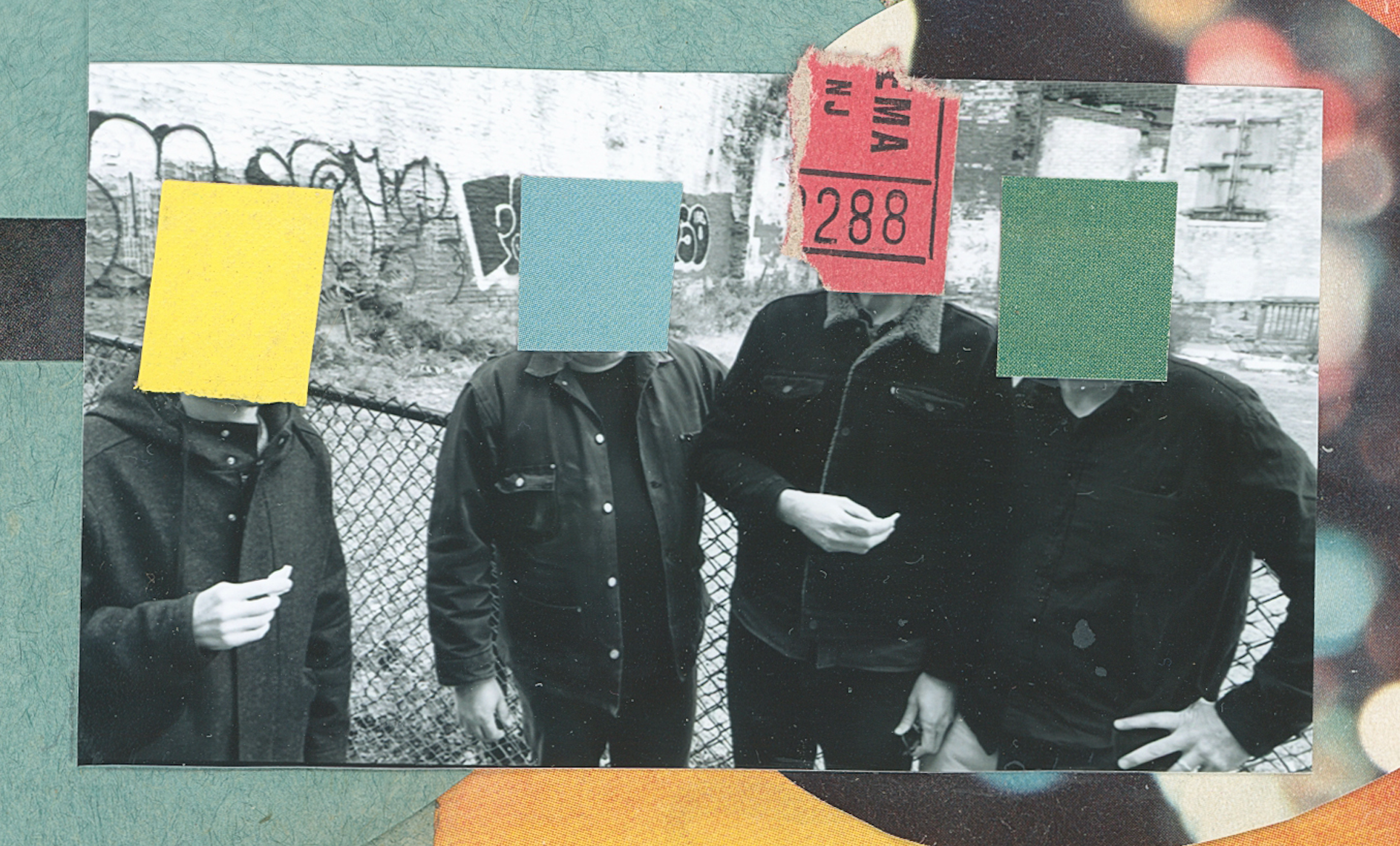
If Artisans & Merchants was the reunion album, Remain Obscure feels like the record that truly gets you moving again. Is this the start of a more consistent creative output, or are you still taking the band one album at a time?
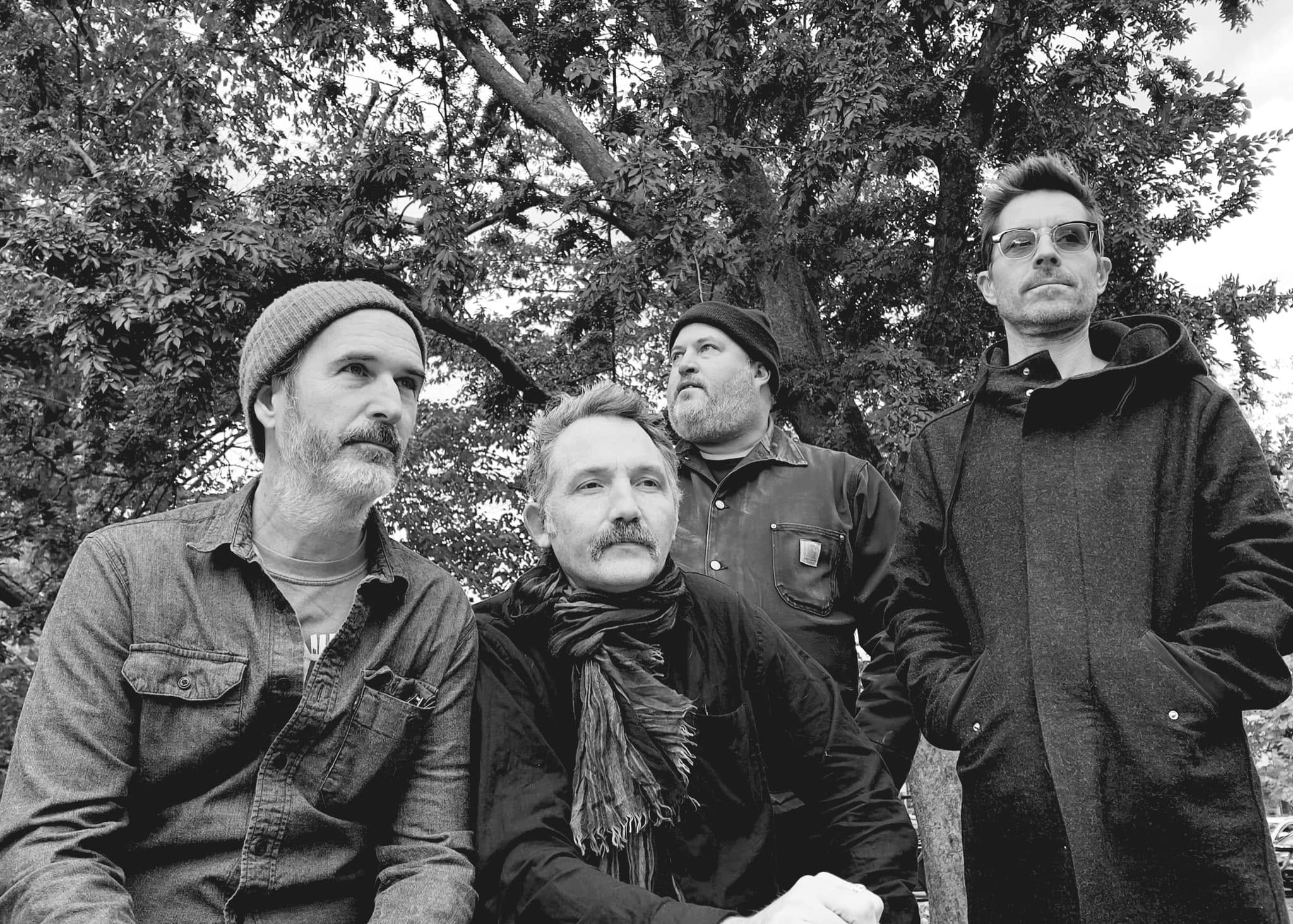
"No, there are almost too many things we're working on right now, and none of us live together. The drummer and I at least live in the same state, in New Jersey, while the guitarist and bassist live in Massachusetts, but not close to each other. We meet up for a week or two at most. In the meantime, we send tracks back and forth digitally. But no, there isn't another album in the works, at least for now."
Over the years, the press has labeled you post-hardcore, emo, indie rock, or even 'literary post-hardcore.' Do any of these labels still feel accurate to you? How much do you feel you've changed since the early days?
"We’ve always tried to escape genre labels. If someone called us emo, we tried not to be emo. If someone defined us as indie rock, we tried not to be indie. There are pros and cons to this strategy. If we were truly an emo band, we’d be part of an emo revival. Because there is an emo revival, at least in America, but we’re not part of it. If we had really locked ourselves into a single genre, we could have taken advantage of that. But by not being part of any scene, you’re free to do whatever the hell you want."
The new record features instruments that are unusual for your history, like the pedal steel and synth sax. Who pushed for these sounds? Were there any moments of friction within the band during the arrangement phase?
"That’s a great question, because this album started out differently than all the others: for every other record, we’d play together in a room—I'd bring a piece on guitar, Brian would bring one of his, and Sean would bring something on bass. We’d bring those ideas to the practice space, and the song would be born right there. This album, on the other hand, was born mostly out of theory. Someone would bring a piece—usually the drummer, in this case—we’d build a little bit on top of it, and then we’d stop and think, 'Okay, what does this track need?' It was a massive group editing process where people would say, 'Oh, I think it needs a bridge here,' or 'I think some pedal steel would sound good here.' At one point, I even said, 'I think my son Giacomo would be good to sing on this track.' So I had him come into the studio, but it didn't really work out so well. In the end, you try all these ideas: some work out, others don't"
The album was released by an italian cult indie label (ndr. La Tempesta Dischi). What kind of freedom and protection does this 'artisan' record label model offer you compared to today's broader music industry?
"Well, you know, we want to surround ourselves with people who know their own market, who live and work inside it. It’s like with everything: when things get too big, you lose control. The United States is a prime example of that. We’re a country that's way too big, and we're losing control over the rest of the world, so that's a major issue. In this specific case, La Tempesta Dischi handles the Mediterranean region because they know it well. In England, they don't know the Mediterranean; in Italy, they don't know England, and vice versa. For us, it just makes sense to have people working directly in their own territory."
Your legacy has left a deep mark on the Italian underground: there are so many post-punk and spoken-rock bands using spoken word over post-rock backdrops (I could name plenty, from Gomma to And So Your Life Is Ruined, and obviously Fine Before You Came). Do you ever listen to them and hear a piece of your own history in what they do?
"Yeah, I listen to a lot of Italian music. I know all the bands you mentioned. But it's not my legacy—it's an Italian legacy, in my opinion. The cantautore is an Italian creation, after all. So you might perceive these bands as being influenced by me, but when I came to Italy—the first time I played in Italy was in 1997—I was suddenly mesmerized by Giorgio Gaber, for instance. I hear this guy barely singing, like on 'Non mi sento italiano,' you know? There's really no singing there; he's just talking. And I'm like: 'Holy shit, that's exactly what I do!' So, in my view, that common thread already existed in Italy. I was just very lucky to find you guys."
Opening up in lyrics at 20 often comes from an instinctive impulse; at 50, it requires a conscious choice. What was the hardest or most vulnerable thing you put into the lyrics on Remain Obscure?
"I worked on some of the songs on this album for decades. But the most vulnerable track is called 'Arid as the Aral'—it's the third track, and it's about my divorce. I was married for 18 years to a woman from the Marche region, and I still adore her. I love her insanely, but after 18 years, you have to imagine that you go through so many different versions of yourself. And if you manage to grow with someone for 18 years, I think that's a truly incredible success story. However, it's normal to drift apart after 18 years. We live in puritanical times where, for much of the Western world, marriage—heterosexual marriage, not for same-sex couples—is stuck in the 1600s: we're still 400 years behind when it comes to marriage. So even though it was time for my wife and me to part ways in the traditional sense, in my view, it was by no means time to stop loving each other. I will always adore her. That's not an easy concept for people to accept—the idea that 'this marriage no longer works, but my love for you will last forever.' As a result, the outcome is that she hates me. It's the typical ending. But I can't hate her; it's impossible for me."
If ten years from now someone were to find a forgotten copy of Remain Obscure at a flea market, what would you want them to understand about The Van Pelt and the era in which it was recorded?
"I really hope they won't be able to tell what era it was recorded in. When the hell did this come out? The '80s? The '90s? That would be my dream. What year is this record from?"
Will there be a European tour?
"I hope so, I don't have much time for touring this year, so it will depend on what the band decides. Obviously, I want to come to Italy. We've actually never been to Japan, so that's a possibility too. But I'm hoping for Italy, maybe in July."