Just for a Day, the right album at the wrong time
In September 1991, at the Boston Birthday Bash, Chapterhouse, a shoegaze band from Reading touring the US, took the stage. Their set was scheduled mid-bill, just before Smashing Pumpkins, fresh from their debut album (Gish), and right after Nirvana. The following day, Nevermind would be released, destined to change the global musical landscape forever. Nirvana’s album represented a kind of “substitute” version of a sound that had been developing for years in the northwestern United States. A sound not too distant from British shoegaze in its combination of distorted guitars and strong melodies, but far more primitive, visceral, and direct, lacking delicate nuances or what might be called “feminine” vocals. And once Smells Like Teen Spirit emerged from the lab, the grunge fever quickly became a global pandemic, pushing everything else into the background, shoegaze included. The music press began to idolize Sub Pop’s “American Invasion”, because it was more familiar to them: composed of traditional heroes playing traditional roles, with victims and addicts, hard rock, long hair, and Courtney Love. It was like a soap opera. It was in this context that Melody Maker coined the term “shoegaze” (initially as a pejorative), precisely to distinguish that scene as “less powerful” and, in a sense, more “shoegazey.”
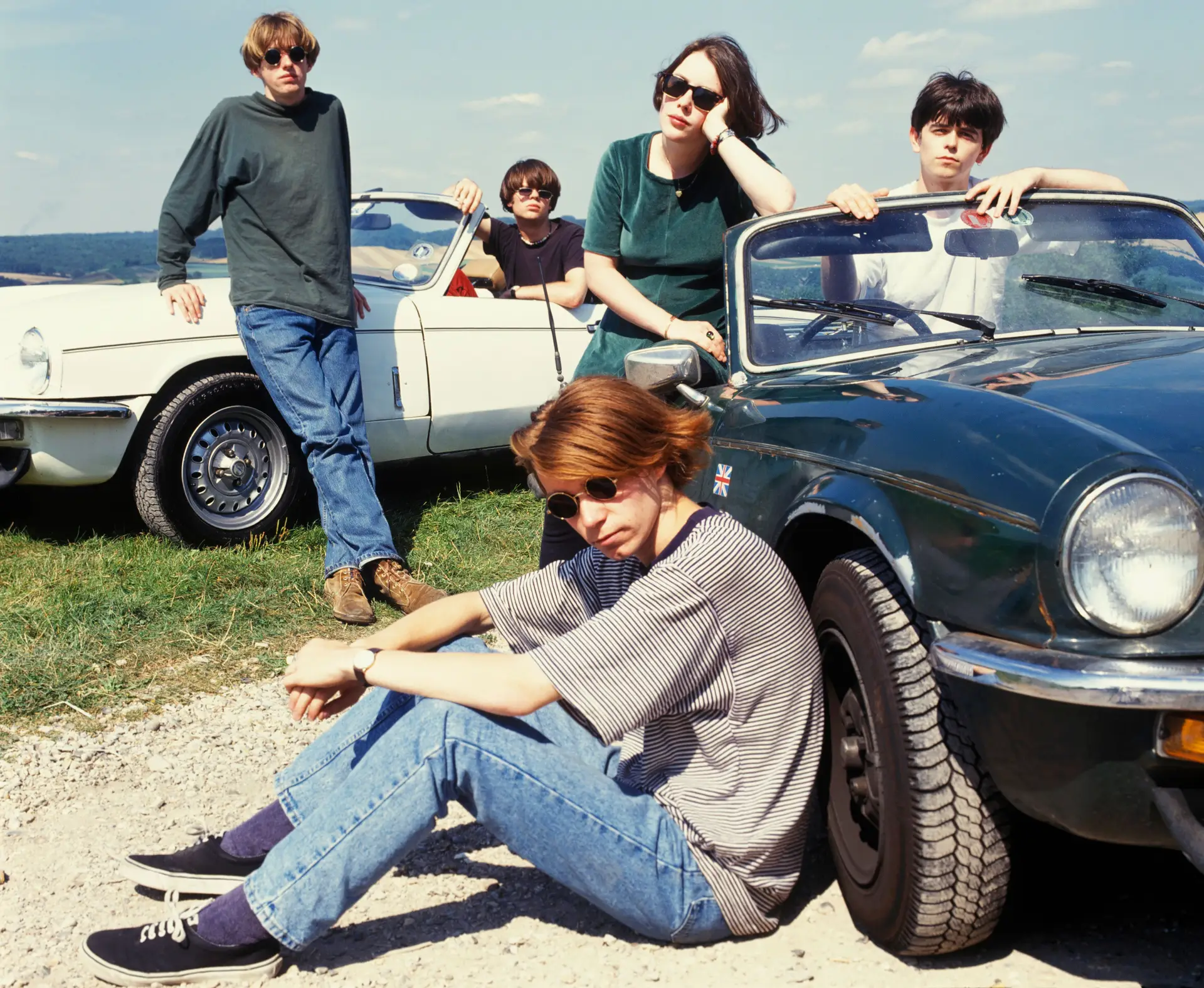
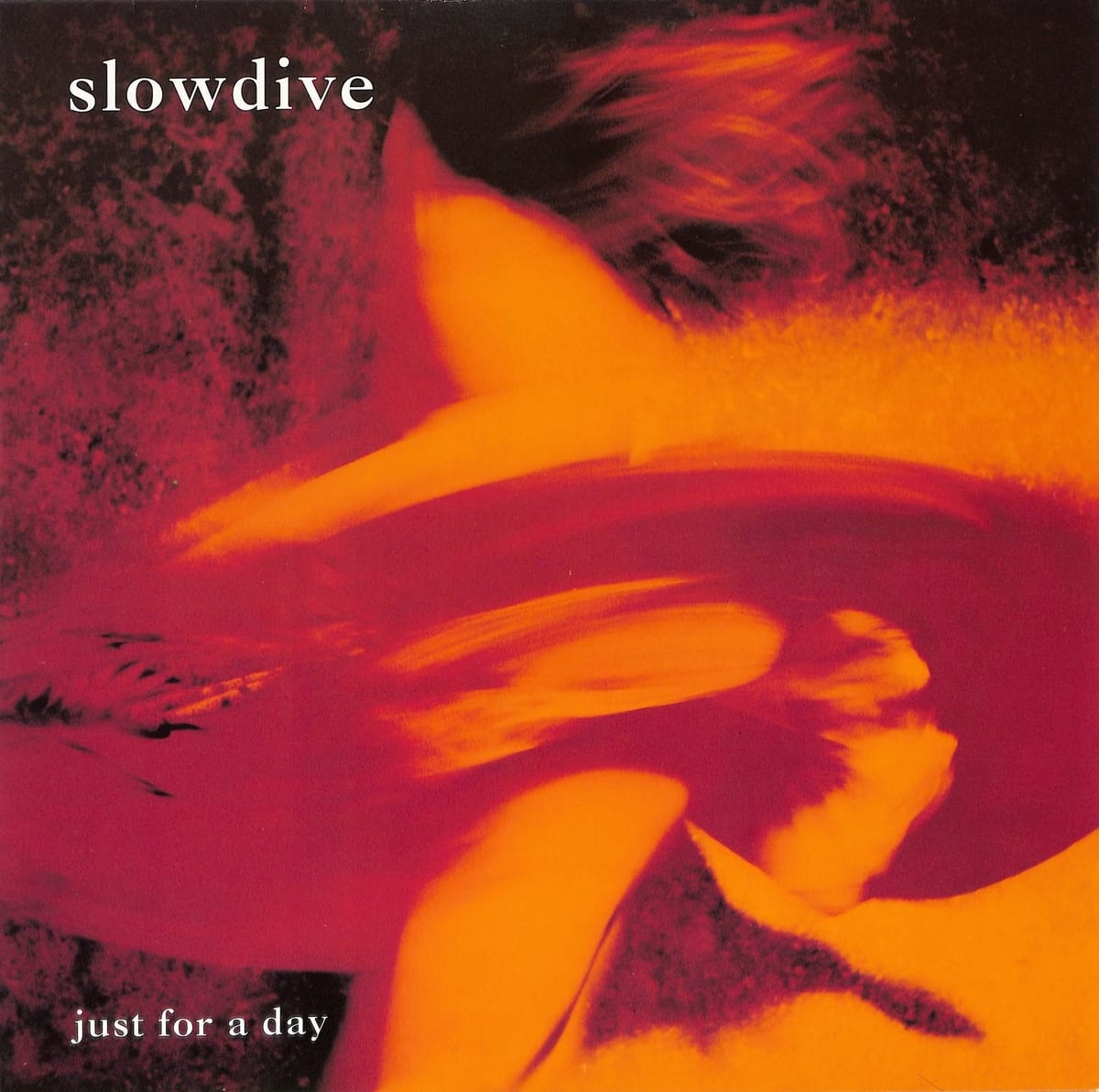
In the same month in which the grunge bomb was detonated by Nirvana’s second LP, Creation released the debut album by Slowdive, Just for a Day. Here too, it was a band from Reading, founded by Neil Halstead and Rachel Goswell, two childhood friends with deep roots in the goth scene (fans of Siouxsie and the Banshees, The Cure, and the Sisters of Mercy). Their post-punk origins were evident from the very name itself (a tribute to a Siouxsie song, Slowdive), but even more so in Nick Chaplin’s bass lines, which drew from musicians who liked “the bass to sound like it isn’t a bass”, from Peter Hook to Simon Gallup. Rachel also admired the unreachable vocals of Elizabeth Fraser of the Cocteau Twins, but the spark for their sound came from Psychocandy (1985) by the Jesus and Mary Chain: from that moment on, Neil began buying every kind of effects pedal, starting with distortion. Signed early on by Alan McGee of Creation (the label that, from the mid-1980s onward, dictated the tastes and trends of Britain’s alternative youth), the band released their first self-titled EP to critical enthusiasm: NME praised “their dramatic atmosphere and shimmering distortions that create sublime ripples”, and even the usually caustic Melody Maker, at least toward bands from that scene, joked that their tracks sounded like “Cocteau Twins demos,” yet declared that “Slowdive are a revelation”. Their next EP, Morningrise (1991), did even better, with the title track reaching number one in the Top 20. During those months the band performed in Manchester alongside Ride, one of the pioneers of shoegaze since 1988 (and long regarded as the most rhythmically engaging band of the genre). Andrew Mueller did not appreciate Ride’s performance, while instead praising Slowdive’s:
“It was as cool as it was sharp (a positive paradox); their ethereal, nebulous sound is so flawless and serene that any words sung over it feel almost superfluous. With a remarkable economy of means, they merge with the sounds of the songs and become an integral part of the overall atmosphere. Few words, but a richness of feeling”
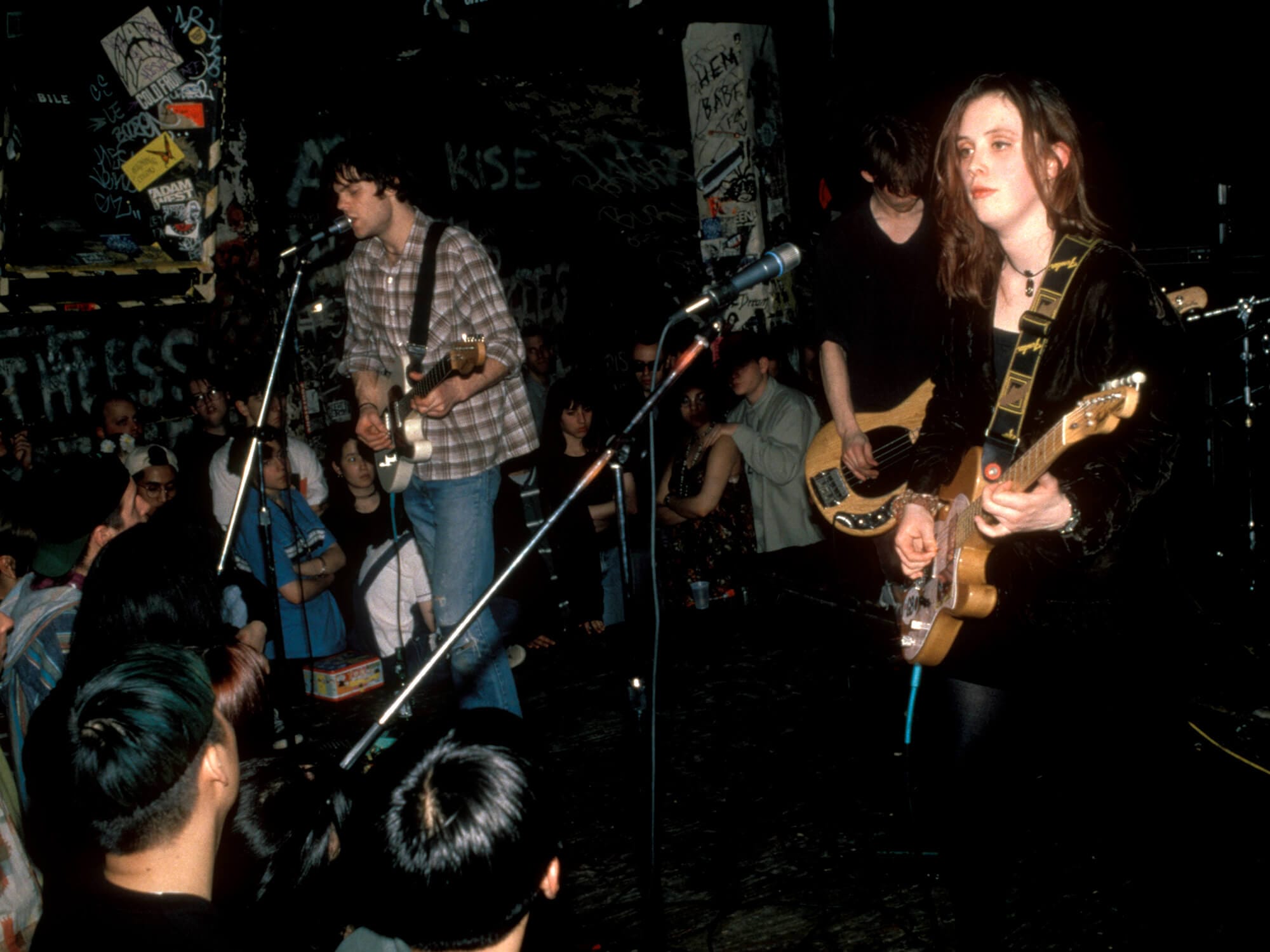
In stark contrast to the almost universal praise the band had received since their first EP, the lukewarm reception of the album marked the first visible crack in the shoegaze dam. But, to be fair, the band itself still says today that Just for a Day was not their best work. For Neil Halstead, it is their weakest effort: at the time the band had no songs at all and basically went into the studio to write and record in six weeks, with McGee pleading with them to include their single Catch the Breeze. Melody Maker piled on through Paul Lester, who expressed his disappointment at “a mix of weary lethargy and crude overconfidence that made it one of the bleakest records of the year”. Lester, at that point, recalling two other debut albums he also considered disappointing, Ride’s Nowhere (1990) and Chapterhouse’s Whirlpool (1990), began to wonder whether this genre was ultimately capable of sustaining the long-playing format at all. A kind of slow evacuation from a sinking ship began: guitarist Christian Savill was even told by a journalist that “in six weeks he’d be back to stocking shelves”. According to drummer Simon Scott:
“There was this frenzy around shoegaze that was becoming very popular, but it faded quickly. It was like saying: ‘To hell with all this, we’ve just listened to Nevermind,’ and they very quickly tried to bury all those bands”
And perhaps it is no coincidence that, precisely because of their more gritty sound, the debut album by the Oxford band Swervedriver, Raise (1991), was received much more positively by critics: “Raise is a great road movie for the ears of those who lazily lumped Swervedriver into the same ‘Scene’ category… and then ignored them”.
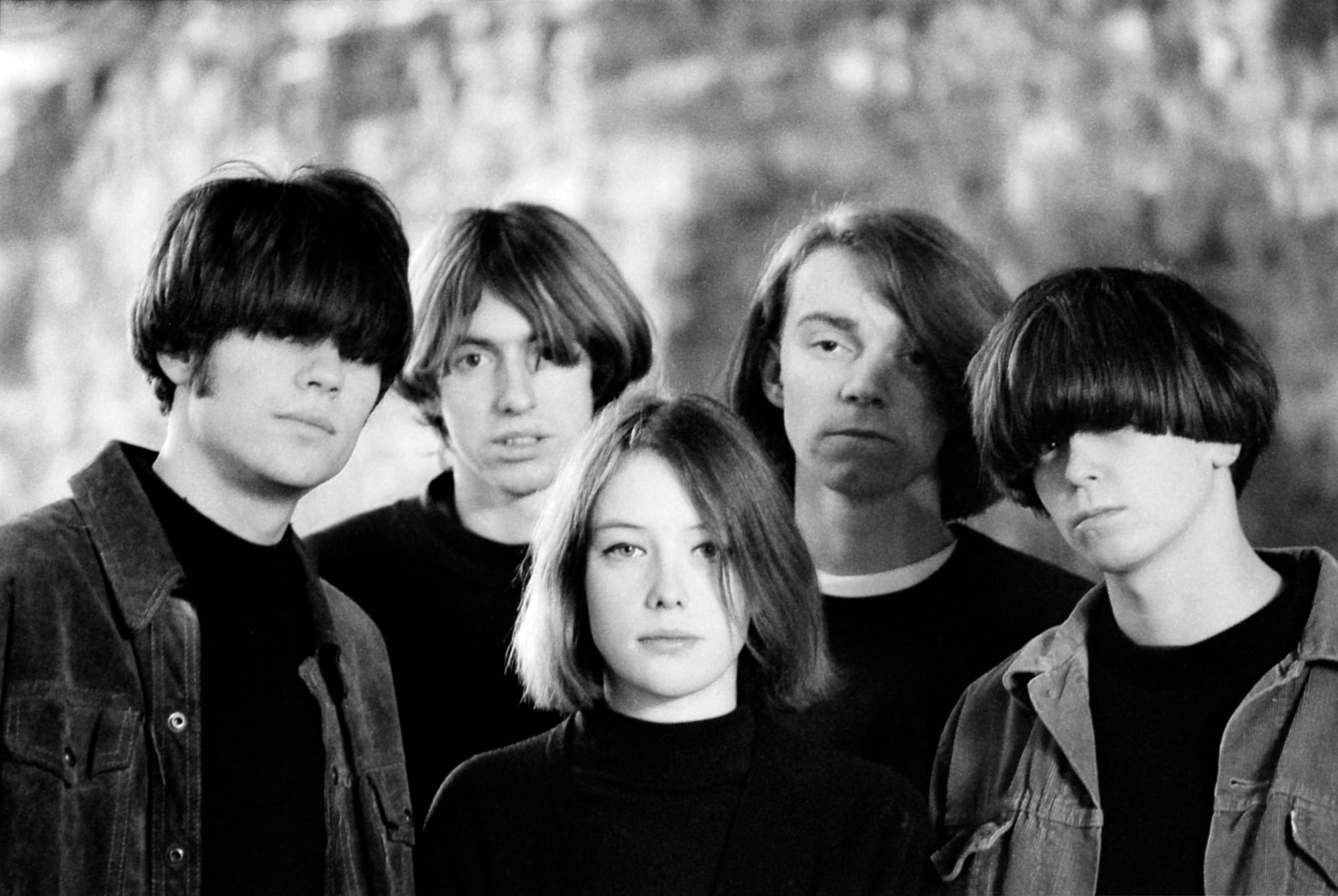
Just for a Day opened with Spanish Air and Celia’s Dream, elegant sonic cathedrals inspired by the constructions of the Cocteau Twins and Brian Eno (who would later collaborate with them as producer on Souvlaki, 1994), showcases of an unusual ability to exploit chorus and flanger effects. Catch the Breeze would go on to become a symbol of the band, a melancholic suite built on the contrast between two sections: a minor one and another, more powerful major section, submerged under a layer of cold high frequencies that overwhelm the vocal line. Primal conveys a tragic and dark atmosphere with its cello coda; Erik’s Song almost slips into ambient territory. Carried by solemn interweavings of guitar, voice, piano, and strings, Just for a Day drifted like a baroque folk-rock cloud. Some, like Dave DiMartino, even saw this sound as a mix between the gloom of The Cure before their pop breakthrough and Fleetwood Mac’s Future Games (1971). In any case, these kinds of slow, fluid, atmospheric productions were in their own way a response to 1980s rock, which had emerged from the tail end of punk and was therefore still very “earthbound.” The album’s reputation has certainly improved in retrospect: beyond its modest commercial success and its 32nd place in the UK album charts, in 2016 Pitchfork ranked it as the 7th best shoegaze album of all time. Today it is considered a milestone of the genre, sometimes even the source from which the entire movement is said to have begun (though it is well known that this is not the case). After all, the shoegaze scene has always been sectarian by definition: it was labeled a “scene that celebrates itself” precisely because it was populated by the same small circle of bands. This ghettoization was most likely due to the fact that their restrained, motionless stage presence was poorly received by many audiences.