M83: "The battle against AI is a lost cause, but real music will keep fighting"
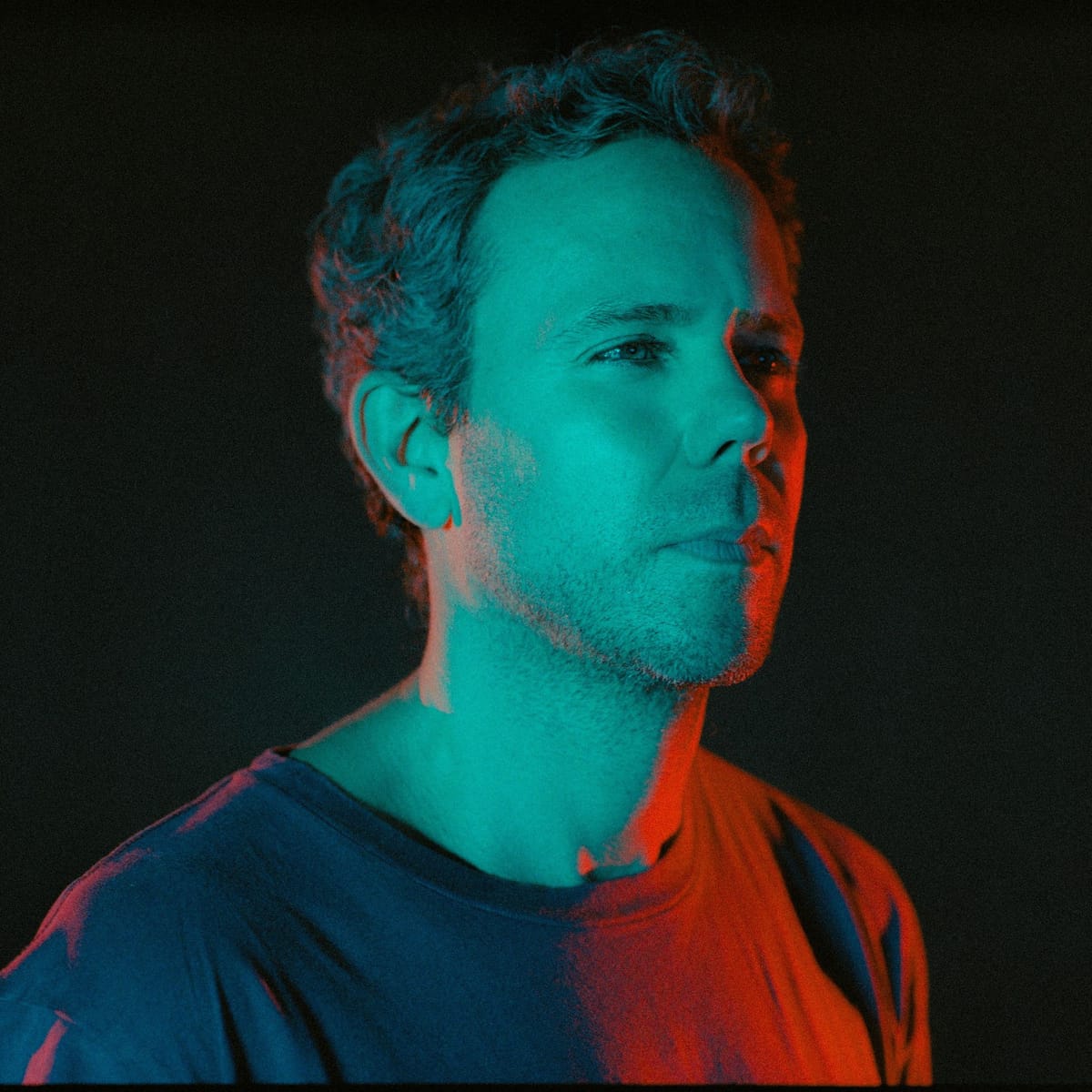
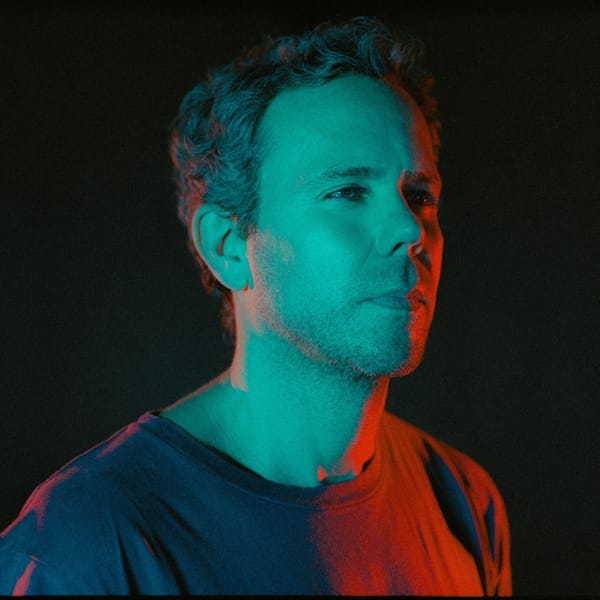
More than a quarter of a century has passed since M83 was formed, but Anthony Gonzalez seems to have no desire to switch things up or stop finding new ways to escape the logic of the market.. He now returns with a new chapter, I Wrote You A Letter, an ethereal release with a more intimate feel. Far from the chart-topping rhythms that marked his golden era, the French artist goes back to his roots and soundscapes, amid layers of shoegaze and long ambient interludes, piano tangents, and cinematic suggestions (perhaps also influenced by his recent work for the big screen). It is a project deliberately conceived as a form of personal and emotional escape in an increasingly turbulent present. We met up with Gonzalez to hear about the genesis of this work and to discuss a few issues within today’s musical ecosystem. Here is the interview:
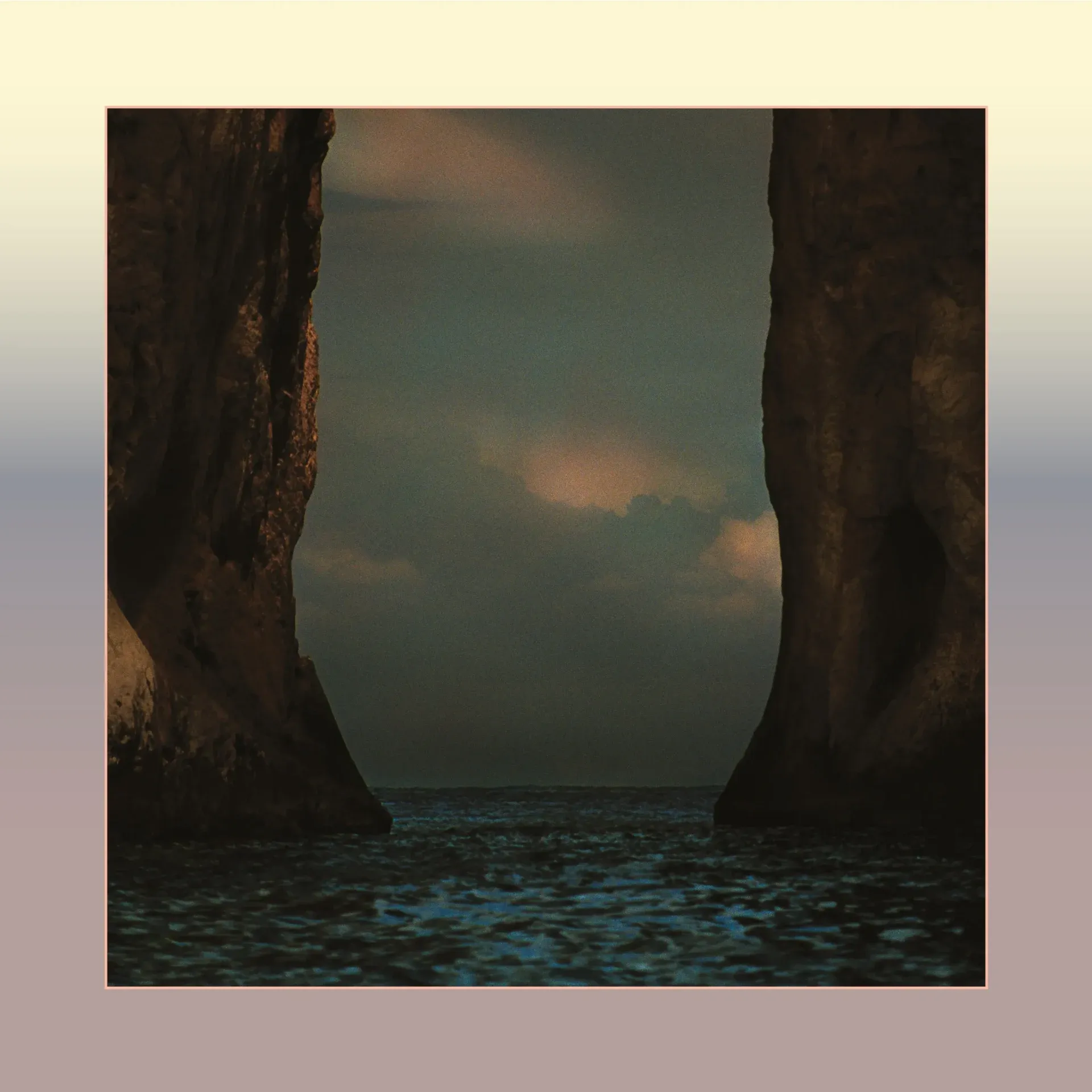
On this album, you collaborate once again with Benoît de Villeneuve and even dust off historic samples, like the robotic vocals from Birds. What prompted you to open these old drawers?
I don't know. It was simply a kind of Easter egg for the fans. Benoît and I had worked together on that album, Dead Cities, Red Seas & Lost Ghosts. He was an important part of it because he produced some of the tracks— Run into Flowers, for instance —and I think it's one of his favorite M83 records. At first, we wanted to have that same kind of vibe, with spoken word accompanying the intro of the track. Then I had the idea to actually use the exact same words, the very same track I had made that ended up on an old hard drive. But it's really just a 'twenty years later' kind of thing. An Easter egg, exactly. Still, for us it was very interesting to repeat the same sentence, since society is even darker than it was two decades ago, and it felt very relevant to have this robotic voice say the exact same words and reach the same conclusion: that we need to look up and keep dreaming, because the world is so dark and gloomy right now.
The album is titled I Wrote You a Letter, but who does the "you" in the title refer to?
It depends on your imagination. It can be a letter, or it can be anything else. And that’s precisely what I like about the album: the fact that this letter can consist of just a few words. It could be a three-page love letter, an exit letter, or even a letter that simply has a strong impact on the way I see the world. It can be anything. Once again, the idea of letting listeners use their own imagination while listening to the album was very important to me. I wanted to make an album with very few lyrics, something open to the listener's imagination.
The album is very instrumental, at times almost ethereal and devoid of real beats. Did you intend from the start to make such an anti-structural album, or did the material take shape spontaneously on its own?
Yes, that's what I wanted, and Benoît agreed. The thing is, we felt like making something completely different, especially after Fantasy, which we released three years ago and was very pop, heavily produced, with a lot of vocal tracks, a very eclectic record.To us, it made sense, but a lot of people got lost in the labyrinth of that record. We wanted something that sounded completely different, as if it came from another band, far from the pop standards we usually rely on. And as an artist, it's important for me to try to experiment with different things, because the pop song formula has been used millions of times. It’s very difficult to make everyone happy on a tenth album, we explored so much for the last 25 years. There are those who expect electronic shoegaze , those who want the pop of Junk or Saturdays=Youth and obviously those who are waiting for Hurry Up We’re Dreaming again! I trapped myself in trying to explore on each records. Now I only need to listen to my voice otherwise I will get lost ,always question myself and create nothing.
Indeed, tracks here like Opera or Siren reminded us of Sigur Rós's litanies. In that sense, what new listening material expanded, directly or indirectly, your sonic palette for this work?
I’d say a lot of ambient records by His Name Is Alive, an old band from the '80s and '90s. I’m really obsessed with their ambient work. But there's an Italian artist I adore, László de Simone. I love his latest album, especially the way he structured it—with the songs and then short interludes between tracks, like strings, but with very ethereal ambient pieces woven throughout, almost as if he were telling a story. It's a truly beautiful album. I really love that artist. This last year I’ve been rediscovering the band Lovesliescrushing, a brilliant album called Lux Aeterna from a French artist William Sheller, Japanese artists like Susumu Yokota, Himiko Kikuchi, Masayoshi Takanaka.
In an interview, you spoke out against today's algorithmic logic and generative AI, viewing them as cancers of society. How do you think we can fight this trend, and in what direction do you think it will evolve in the near future, at least in the music world?
It's complex because I don't even know how all of this is done or how music platforms are structured to decide whether to give visibility to one artist over another. There’s too much music. On Friday, when I released the album, I found out it was like the biggest day in music history in terms of the sheer number of releases in a single day. That's pretty scary, especially when you factor AI into the picture. That said, I don't think there's a solution, because AI tools are already here among us. I have a feeling it's already too late. I'd love to fight it, but it feels like a lost battle, because there will always be someone using the tools that have been made available to us. It's quite tragic. The way we used to know and listen to music is dead; we have to adapt to new approaches. At the same time, though, I think there's a niche of people who are very aware of this and opposed to AI. It may be a small community, but it will keep fighting until the end for real albums and human emotions. It's important to keep that spirit alive, because the same thing applies to cinema and books. I heard about a Canadian writer who was called out for using AI, but we don't even know if it's true or not. There will always be this suspicion surrounding albums or books. That's where the tragedy lies, because now that the tool exists, anyone can introduce AI into their art. It's terrifying: from now on, anything that is appreciated will be accompanied by the question: 'Okay, but was this made by a human or by AI?' We live in a time where the grind culture is predominant. People will do anything to crush one another, what people are capable of for likes and follows is disgusting. And generative IA totally reflects that mindset. Do we want a few profit driven companies design the future for us ? That’s not what I call a free society, I call it totalitarianism . The most complex, poignant,emotional music has been written centuries ago, and now in 2026 the CEO of Suno tells us that learning music isn’t fun anymore, that it requires too much effort. Well yes asshole that’s the point ! And fuck you for stealing all the music ever made to create your shitty AI program only losers will use. I’m sorry but I just can’t stand these Tech billionaires no more , they’re building a society that we haven’t chose. They’re telling us what’s good ,what’s bad and it has to stop . Not only for our human rights but for the sake of our environment.
You’ve often talked about a "punk attitude." Beyond your own work, who do you think are the most punk artists—in spirit and approach—that you’ve encountered in recent years?
It's hard to say, because I mostly listen to old music and watch old movies. Maybe it's not just about music; it depends on what we mean by 'punk.' To me, punk is more about the approach: when I started out in my bedroom, I knew nothing about music, and my only approach was through my musical influences. I listened to tons of records, but I had never studied music theory. Yet I felt that when I listened to, say, Beck's first album, Mellow Gold, or bands like Grandaddy, I realized it was all DIY, all very raw and produced on a four-track recorder. To me, that's a punk thing. You don't necessarily have to be a prodigy to make music—you just have to have your own voice, think, and share your vision. That’s what I love about art. There’s a place for self-taught artists like me, who simply want to create a world through their own vision without knowing anything about music. Even today, I still don't know what I'm doing; I keep learning every day. But music is probably the only thing I could have done, because it truly allows me to be myself and no one else.
What has bored you about contemporary music, and what, on the other hand, keeps driving you to make music?
I hate Auto-Tune, which, you know, is everywhere in French music. I feel a wave of hatred every time I hear that sound. I don't know why people use it. What keeps driving me to write music, on the other hand, is simply seeing that there are many artists who share my vision—who want to create art, make great records, and release vinyl. Many of us are angry at the music industry because of the social media aspect of our job. That makes me feel good, because I know I'm not alone: there are so many artists who have gotten completely lost in that marketing idea that in order to make it, you also have to be an influencer. It's absolutely heartbreaking. I know there are plenty of artists out there who feel the same way and are frustrated by how we consume music. Still, it's comforting not to feel alone in this battle.