Jozef Van Wissem: "After 20 years of making music together, Jarmusch never fails to surprise me"
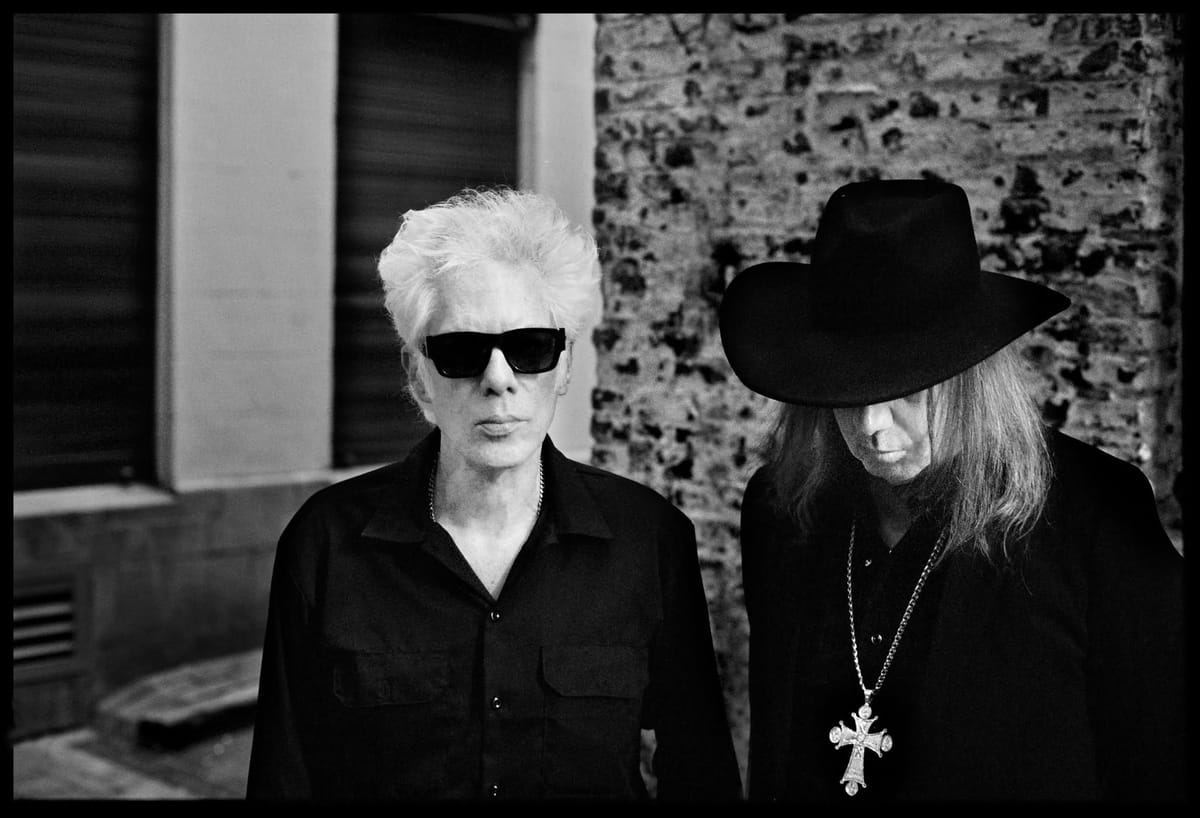
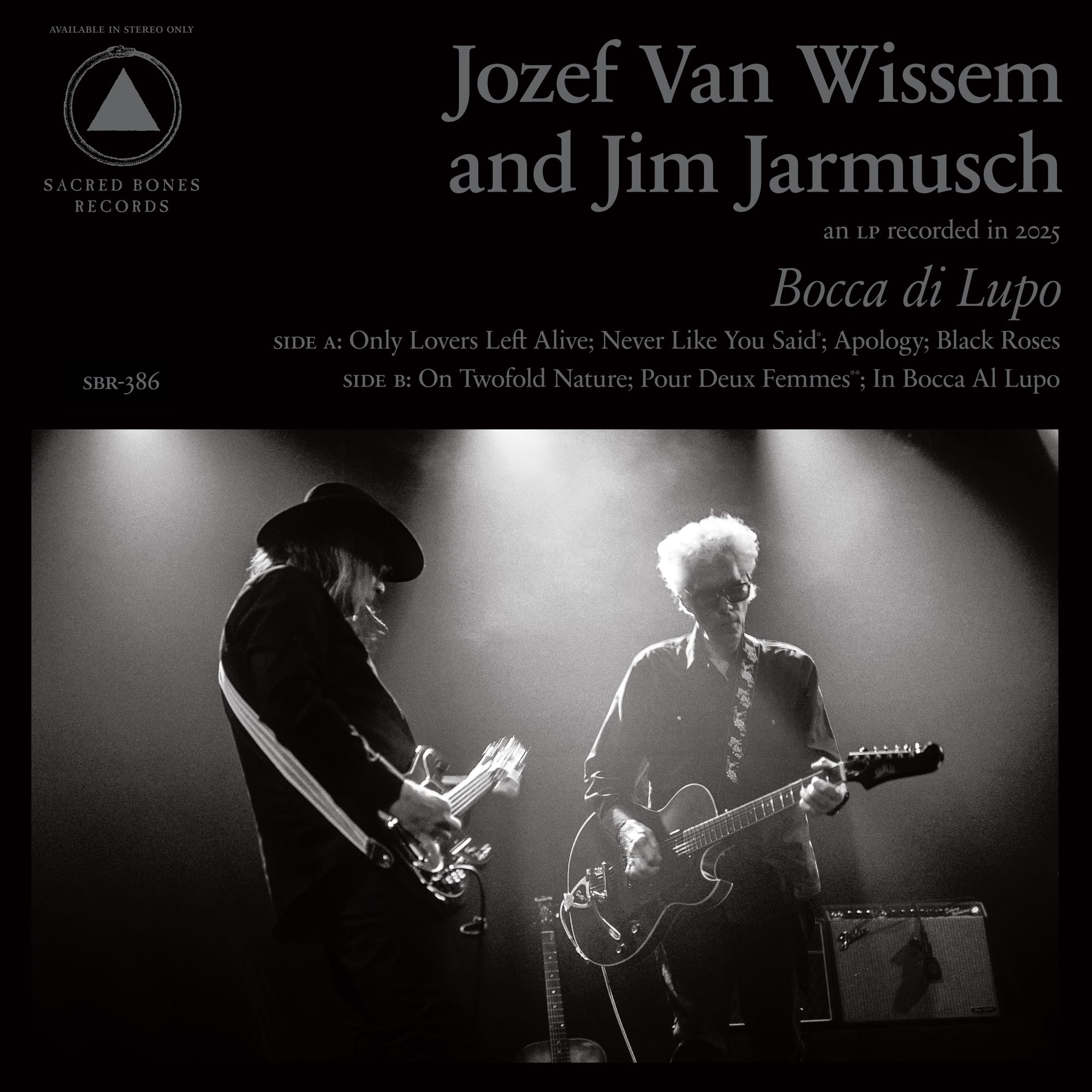
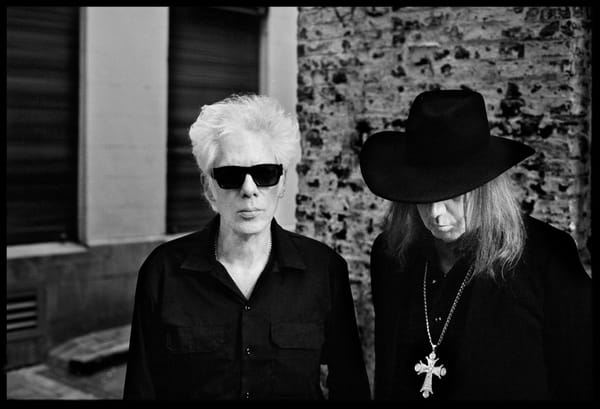
An artistic partnership that has spanned nearly 20 years, nourished by a deep kindred spirit and a constant drive to derail standard boundaries. Composer Jozef Van Wissem and filmmaker-musician Jim Jarmusch join forces once again for a double album, Bocca di Lupo and Mouth of the Wolf, conceived during an Italian summer and recorded in Bologna at the historic Fonoprint Studios. We caught up with Van Wissem to talk about this new chapter—from the behind-the-scenes stories of his cult soundtracks, such as the revisited Only Lovers Left Alive, to his 'punk' nature and his very personal mission to liberate the lute from the strictures of classical music and academicism. Below is our conversation:
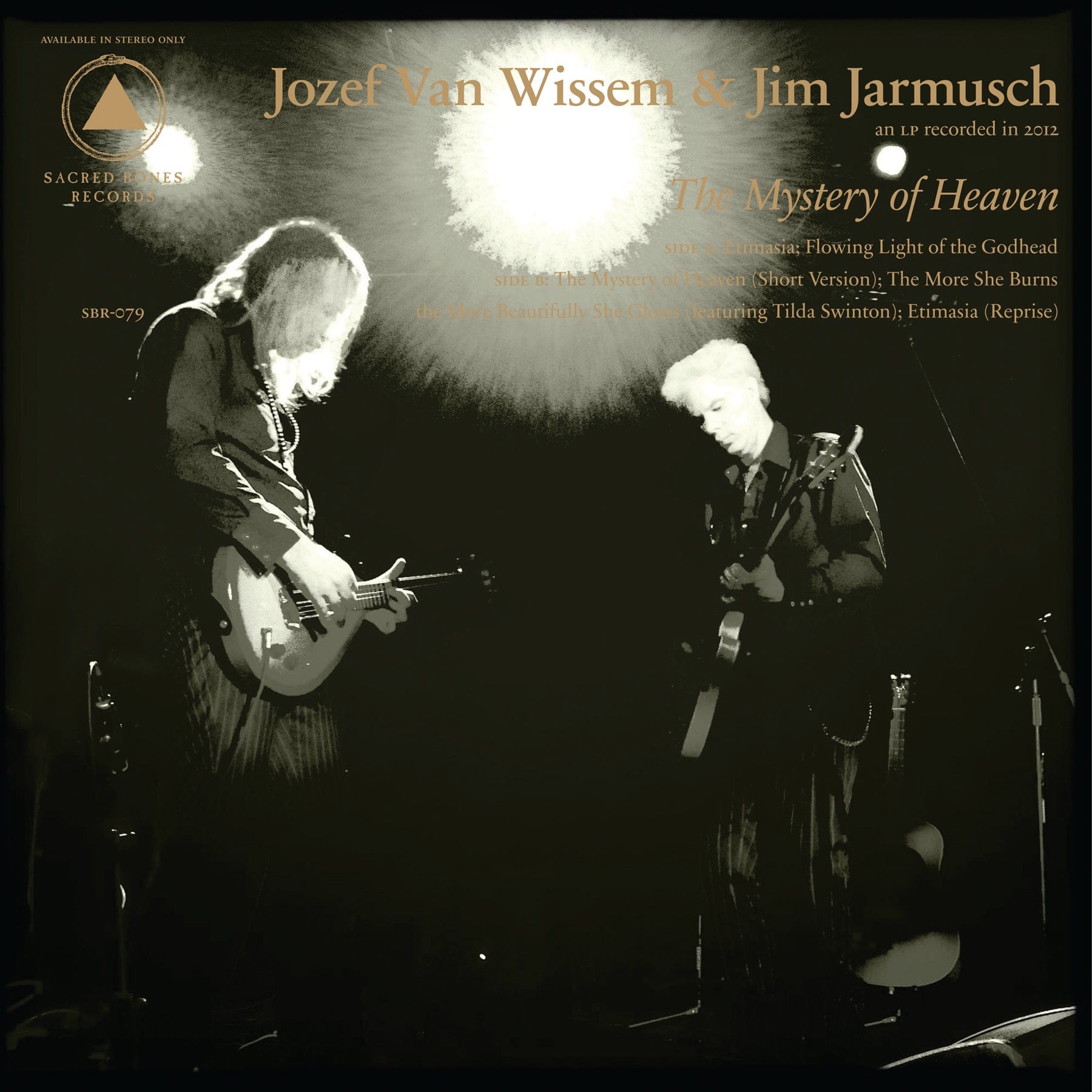
The two records take their name from Via Bocca di Lupo in Bologna, where you recorded at Fonoprint Studios. How much did the atmosphere of Bologna—and more broadly, Italian iconography and culture—influence the shaping of these two albums' identity?
We were there because Jim was screening his film Only Lovers Left Alive in Piazza Grande in front of 5,000 people.Before that, we had done a week of rehearsals in New York and two shows in New York and Chicago. Then, a couple of weeks later, we went to Bologna. At first, we were just walking around the festival watching movies, and then we went into the studio. The thing is, the airline had lost my guitar. A bad sign, because I usually play 12-string, whereas for the sessions they lent me a 6-string electric guitar. That changed the sound a lot, but it also birthed the riff for Never Like You Said. The atmosphere was fantastic, very improvised: we had this huge studio with all these instruments at our disposal. We worked hard during those days—so much so that we recorded two records instead of one. Some of the tracks were actually already written, so it wasn't all done from scratch, but I have to say it was a wonderful environment for getting ideas flowing. As far as I'm concerned, whenever I'm in Italy, I always feel right at home, whether it's Bologna or Rome. Partly because I love Italian humor: they’re really funny, unlike other Europeans
You chose to release two separate albums, wrapped in different artwork: Bocca di Lupo on one hand and Mouth of the Wolf on the other. Do they represent two sides of the same coin, or two completely independent sonic worlds?
Mouth of the Wolf is like an afterthought, or an evolution that came after all the other tracks. That's because Mouth of the Wolf is more of a wild sound you can lose yourself in, made up of two extremely long pieces (about 20 minutes each) that work almost like furniture music: you step inside and you don't come back out. The other record, on the other hand,features shorter tracks. I'd say there's a different dynamic: on Mouth of the Wolf, the vibe is closer to contemporary music.You could say it has a metal touch to it, but to me it also has the flavor of contemporary classical music. The listening experience of these two works is very different from one another
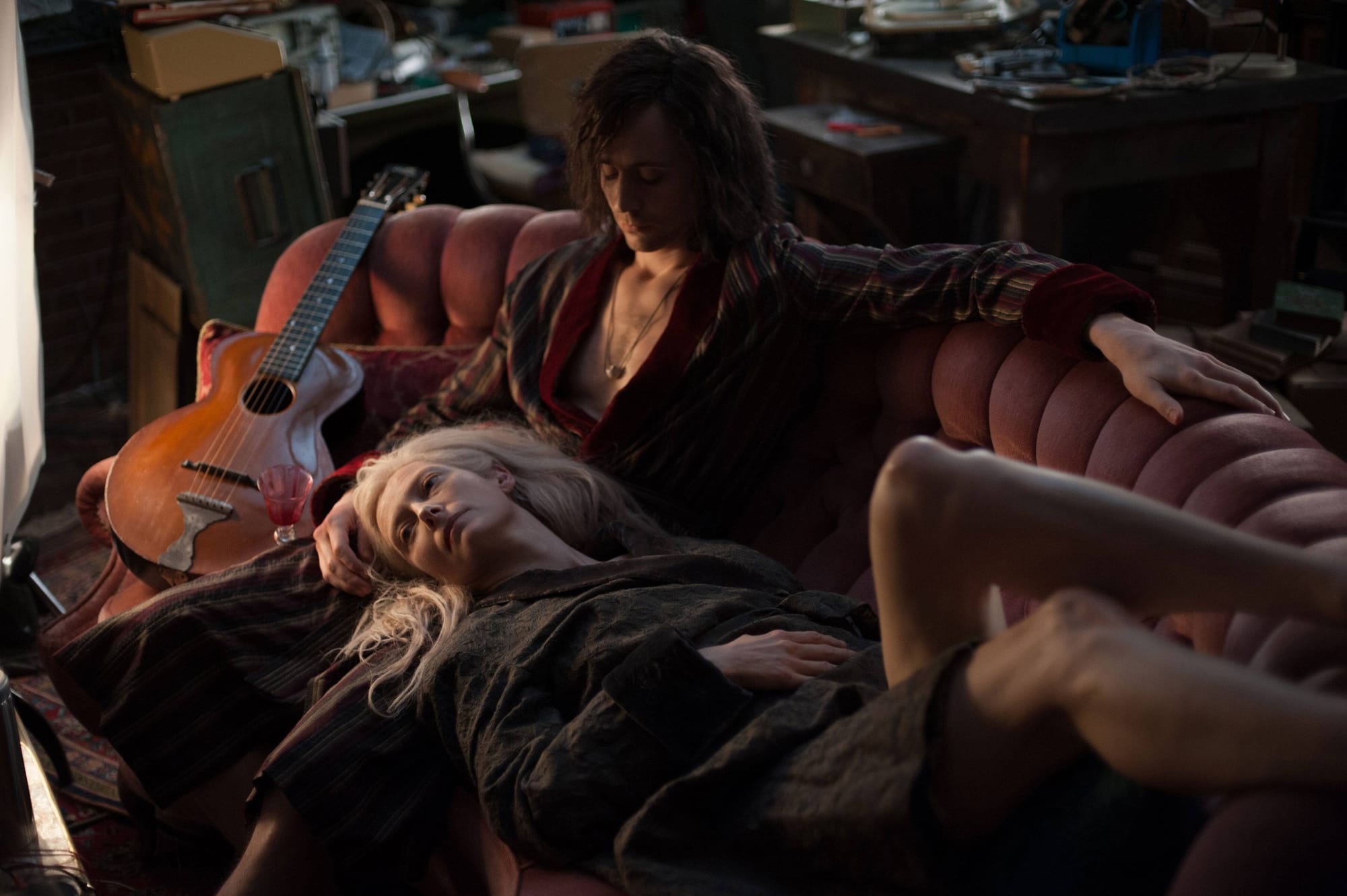
The album opens with a new version of Only Lovers Left Alive, a piece you wrote even before seeing the footage of the film and the awards that followed. Could you tell us a bit more about how this collaboration came to be and why you decided to revisit it here?
Jim had held on to this idea for a film about a lute-playing vampire for quite some time, so he asked me to score it. We had already met a few years earlier and started hanging out: back then we saw each other often in New York, going out together and talking about music. We really had a lot in common; we listened to the same kind of music. When he asked me, I hadn't seen the film yet, so I wrote 8 lute pieces that served as the foundation for the soundtrack; one of those was Only Lovers Left Alive. Later on, I added a few more, both on my own and in the studio. It was a very unique period because I was constantly on tour. I composed the soundtrack during a break between tours, in a house where I had been living for a few months with my girlfriend, and it was all very spontaneous and improvised. I remember Only Lovers Left Alive was the last track where I used spoken vocals; after that, I stopped doing it, and from then on my way of writing and recording became much 'cleaner'
You usually prefer to compose soundtracks—not just for Jarmusch—by creating the music before seeing any footage. Why do you feel the two mediums should maintain their own independent narratives?
It's important that the music comes first, that it doesn't let itself be influenced by the visuals. Otherwise, you'd be like a monkey reacting to what it sees, which isn't interesting: the music needs to tell its own story. That way, a standalone layer is created underneath the film, with its own narrative. That's why I prefer to write based on the director's personality or by letting myself be influenced by who they are as a person, rather than by the script or the ideas of the film itself. Above all,I try to remain independent and have an autonomous narrative. This makes the film even more multilayered, with two things happening at the same time: the images and the music telling different stories, which can then meet up at a certain point
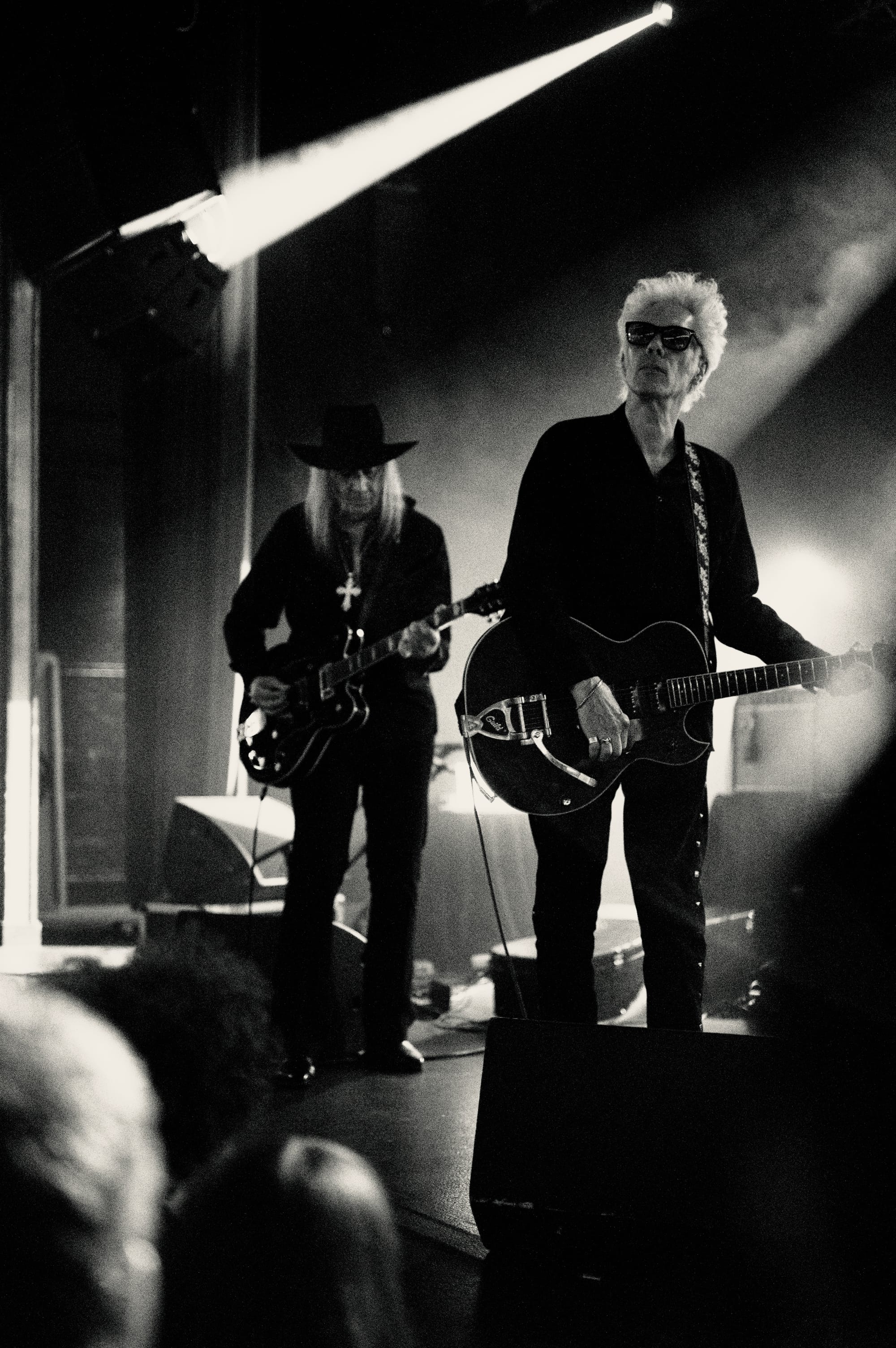
Your artistic partnership with Jim has now lasted for nearly 20 years. After so many years spent making music and film together, do you still manage to surprise each other, or has a kind of creative telepathy developed between you?
In this case, he surprised me during the recording sessions in Bologna because Jim was writing lyrics on the spot. We weren't just inventing the tracks then and there; he was actually writing the words right in the moment and testing them out, a bit like a reggae toaster experimenting with words and rhymes at the mic. It was completely unexpected, a truly dynamic and improvised way of working. It's a deeply creative process that gives a lot of satisfaction, because it's pure creation—it's really the true reward of the whole job
You've stated multiple times that you want to liberate the lute from the museum where classical music has locked it away, turning it into a genuinely 'pop' or even punk instrument. During your concerts, classical purists sometimes turn up their noses, while experimental music lovers are fascinated by it. What is your relationship with academic tradition?
I studied with a teacher in New York who was a very open-minded person. He was also a former guitarist, a student of Reverend Gary Davis (he came from country blues before going on to study early music). The very first thing he told me was: 'If you want to make a living playing the lute, you have to write your own pieces.' A European academic would never say something like that. Classical music teachers are completely opposed to this: they tell you that you have to play exactly what's written on the page. Which is ridiculous, because even what's written down is nothing more than the interpretation of an improvisation.I studied classical music for a long time, but I want to free the instrument from these academic legacies: to me, the lute isn't a museum piece—it's a pop instrument. It was wildly popular back in the day, in the 1600s and 1700s, then it vanished for a while, but it came back, and now it's here again. I don't think it's right for a handful of people to set the rules for music. Still, there are also people in the early music scene who like what I do because they feel it breathes new life into the instrument—which I genuinely believe is happening
Will there be a European tour to promote the new album?
Right now I'm on tour, going all over the place, but I think Jim will also start touring soon. I'm not entirely sure—he has some film work to do right now. So for the moment we're on hold as a duo, but I hope we'll eventually hit the road and come back to Italy. That would be really great!