Stoned Jesus: "We are not just musicians, we must help the Ukrainian people"
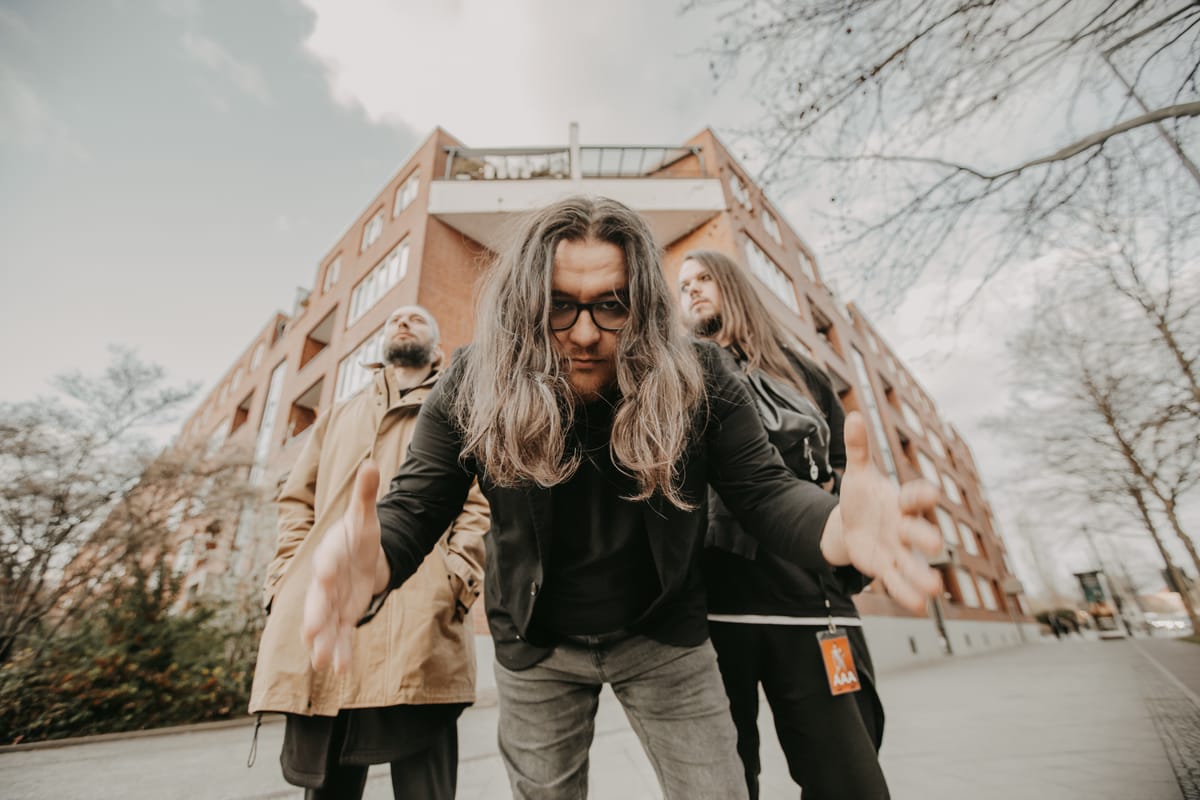
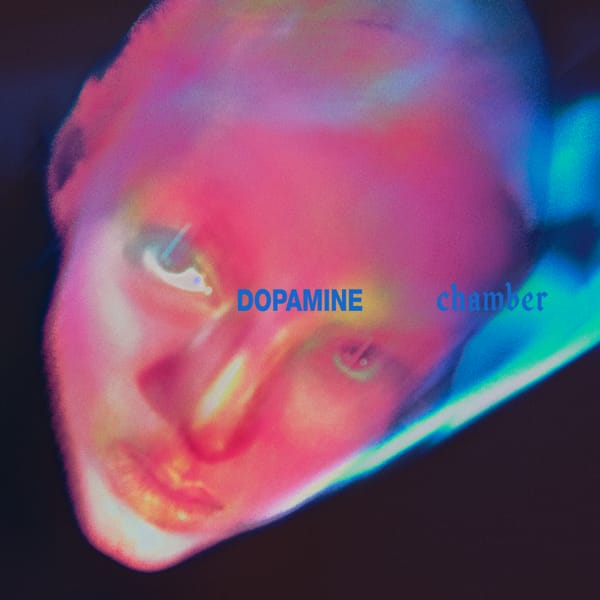
On paper, the word "trilogy" often evokes ambitious narrative concepts or complex intellectual theorems, typical of much prog rock. In the case of the Ukrainian band Stoned Jesus, however, the core material responds to more visceral and human urgencies, imposed by the weight of contemporary history. Born from the ashes of pandemic isolation, the band's new album for Season of Mist — part of the broader project divided into the sonic orbits of Songs to Sun, Songs to Moon, and the upcoming Songs to Earth — reached its second chapter this week. In this long and intimate conversation, frontman Igor Sidorenko tells us about the journey behind the making of this new record, amidst the relentless need for self-reinvention and the devastating impact that the war in Ukraine has had on their lives. The portrait that emerges is one of a band that doesn't just use the stage for guitar riffs, but as a sounding board for solidarity and Truth. Here is our exchange with Igor:
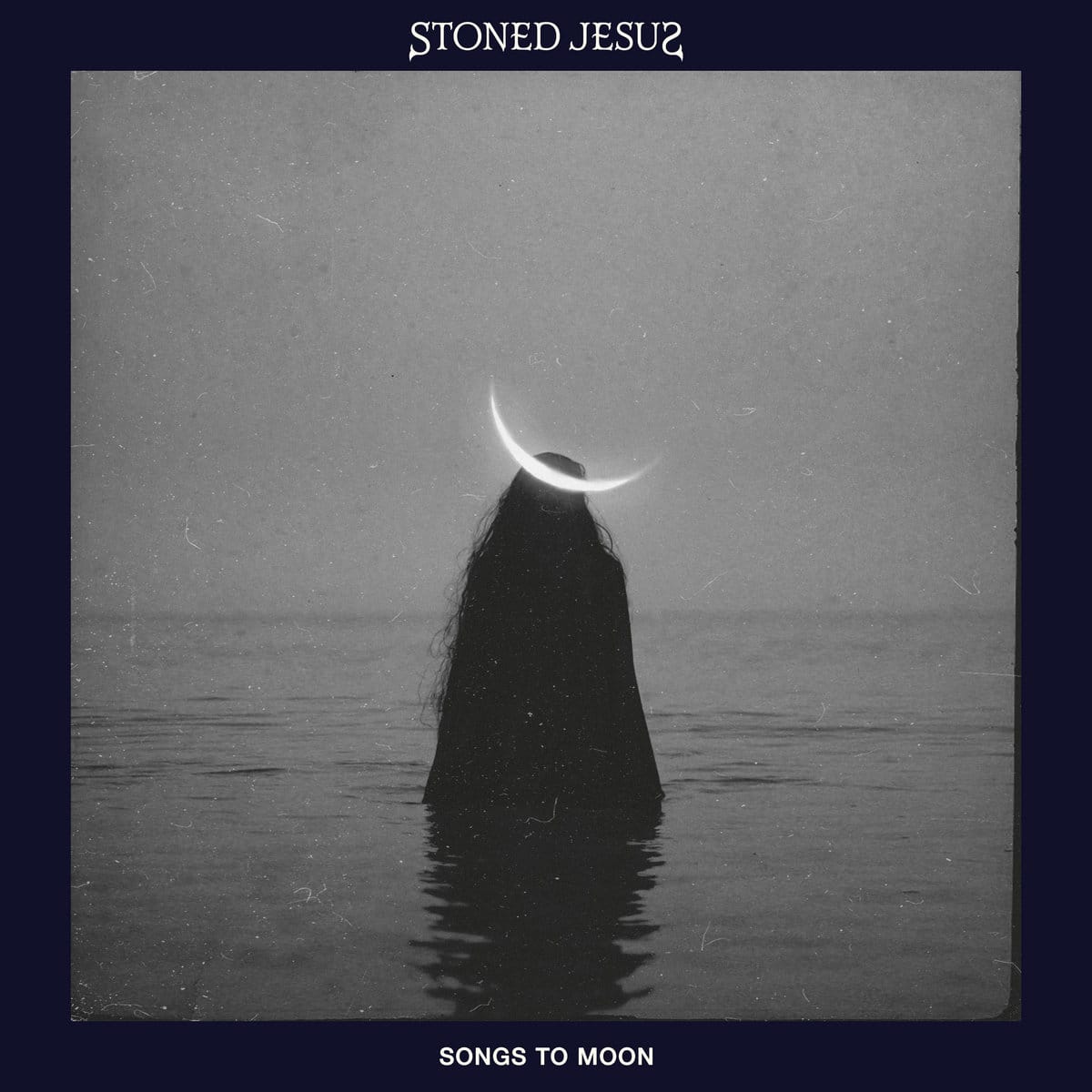
Your trilogy was conceived moving from Songs to Sun to Songs to Moon, before finally concluding with Songs to Earth. What is the common thread running through this journey?
Actually, there isn't a lyrical concept linking them together; it’s more about the sound. During the pandemic, I wrote a huge amount of material, and the previous line-up of Stoned Jesus was falling apart, so all those songs ended up just sitting there gathering dust. A couple of years ago, I revisited that material and realized it could be split into three groups. Some tracks were quite heavy, aggressive, and direct; others were darker, more introverted, and delicate. Then there was a set of ideas that weren't finished songs, but still had potential to be worked on. Being a huge nerd, I thought about turning it into a trilogy—I love it when bands do things like that, coming up with crazy projects and the like. So I thought, 'Okay, I can base these atmospheres on celestial bodies.' The Sun is hot and direct, so Songs to Sunwould be an aggressive, driving, heavy album. The Moon is obviously the counterpoint to the Sun, so it's more nuanced, dark, and delicate. Finally, for Songs to Earth—since the Earth has two hemispheres, one illuminated by the Sun and the other by the Moon—the idea is to have just two 20-minute tracks: one heavier, and one darker and calmer, referencing the two previous albums.
For the darker and more melodramatic atmospheres of Songs to Moon, did you have any particular sources of inspiration guiding your writing?
I've always been a fan of prog rock: classics like King Crimson, Van der Graaf Generator, Camel, and of course more recent bands like Opeth and Porcupine Tree. I've always wanted to bring that element into Stoned Jesus' music, even though you can't often play songs like that on tour because the audience, understandably, wants you to keep the energy up. You can't just sit behind a Mellotron and play a super slow, 10-minute meditative ballad. In reality, though, I was writing a lot of that kind of stuff during the pandemic. As you might remember, at the beginning of lockdown everyone was in shock and feeling pretty down. So I don't think it's any surprise. Also, since I couldn't rehearse them right away with my bandmates, many of them were born to be played simply on an acoustic guitar—something I would have never imagined doing for Stoned Jesus in the past. Seven Thunders Roar and I'm the Mountain, for example, were written that way. For me, taking a step back toward that structure and trying it again felt very natural. Dividing the material into chapters, I told myself: "Yeah, I have a few songs that could fit this kind of acoustic album." But at the same time, I didn't want to make the records too similar to each other. That's why on Songs to Sun there's a song that could work on Songs to Moon, which is Lost in the Rain. It's a ballad with a triumphant solo inspired by Pink Floyd. Likewise, on the new album there are aggressive moments that could have worked on the previous record.
Do you feel that the "stoner rock" label attached to you has become limiting?
In all honesty, I've never felt comfortable with the stoner label. Stoned Jesus started out as a doom metal band; First Communion, to me, is 100% doom. Then we started adding other elements including, sure, a bit of stoner, but also prog, grunge, and other things. Even alt-rock or metal on The Harvest. Seven Thunders Roar is our most popular album, I get that... but for me, it was just one step on a ladder, one piece of the puzzle. For me, it's always been fundamental to move from one album to the next without ever repeating ourselves, always looking for new things. Probably because growing up I listened to very different musical genres: my dad listened to classic rock, my older sister to '90s eurodance or stuff like that, and at school the kids would pass me cassettes of System of a Down. And then it all blended together. It was quite surprising to me when, seven or eight years ago, I started paying more attention to what people were writing about Stoned Jesus. Things like: "Oh, they sold out with this album. This record sucks." And I was thinking: "I don't think so. It's just not stoner rock."
Is there a fundamental aspect that you've never wanted to change and that you feel has stayed with the band since the beginning?
I'd say the melodic perspective. I've found myself writing dark riffs, but always very melodic and with a great groove. I think you can find that on any Stoned Jesus album. For example, the riff from Blackwoods could easily fit on Pilgrims. And certain riffs on Pilgrims, like the driving engine of Thessalia, could also belong on First Communion. Again, in my opinion, the point is that if you only listen to one genre of music, the shift from one album to the next will inevitably feel jarring to you, and you'll end up hating it. But if you listen to a lot of other music and can grasp what artists are doing and what they want to achieve with the next step in their discography, you can appreciate it. As a listener, I always want to be surprised. I know what kind of sound to expect from a given artist, but when I listen to a new Steven Wilson or Mastodon album, you ask yourself: "Okay, is it going to be heavier? More electronic? More acoustic? Darker? Or maybe more radio-friendly, with shorter songs or something like that?" Yet it's still going to be them—you know what I mean?
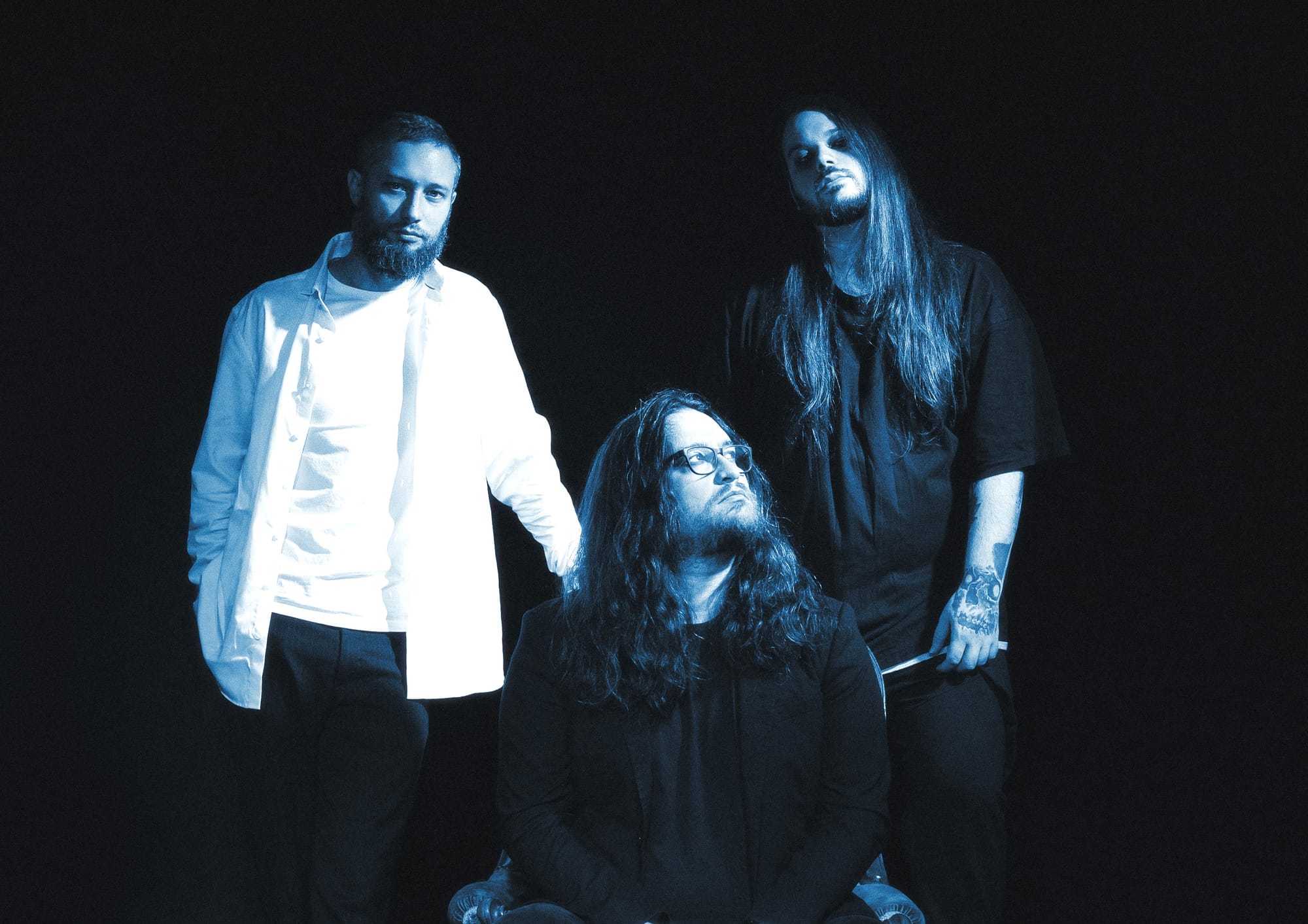
After the line-up changes of the past, you moved to Europe, reunited with your old friend Yurii on drums, and welcomed Andrew Rodin on bass. How has this new stability influenced the sound of this album? And as a Ukrainian musician, do you feel that composing music away from your home country changes anything?
It has influenced us enormously because we've all been impacted by the Russian invasion of Ukraine. It's a constant thought that keeps you depressed for a long time. I follow the news and try to share information with as many people as possible who follow our pages. And obviously, even if you're not actively thinking about it, it still affects your life. You cross the street, hear a loud noise, and look for cover, because you've gotten used to being bombed. It's madness, and it's one of the reasons why our music has gotten darker. When I see comments online from users saying things like: "I miss the happy songs, like Here Comes the Robots or Electric Mistress," I want to reply: "Well yeah, man, those happy songs were written before my homeland was invaded by another country." For me, it's important to have Ukrainian musicians in Stoned Jesus, like our new drummer (Igor). During our tours we raise funds for the Ukrainian people: the money doesn't go to some fund or organization, it goes directly to the people who need it. Perhaps, if someone in Stoned Jesus weren't Ukrainian, they might have opposed the idea, or maybe they wouldn't have understood it. Instead, we're all on the same wavelength: "We're not just musicians. We have an obligation to spread the word and help our people." I will forever be grateful to our fans for lending a hand: over the last 2 years of touring they've donated over 25,000 euros, saving a couple of lives. Either way, I think having toured and played live so much helped a lot: when we entered the studio, we already knew what to do with the material. In fact, the new albums were recorded in just a few days. For Songs to Sun, I had booked the studio for 10 days, but we finished everything in 9, so on the last day we were lying in the hotel with our bags packed. Then the studio guy calls us and goes: "Where are you guys? You still have a day left in the studio!" So we recorded the cover of Hymn, Buried Alive by Love.
Plans for the near future? Will there be a promotional tour for the album?
It's a bit unusual because, for the first time in a while, we won't be going on tour to promote Songs to Moon, since we were already on tour in the spring for Songs to Sun alongside the Finnish prog metal band Wheel — amazing guys, it was a fantastic tour —. Right now we're taking a break because we have to record the new record. It's all my fault, I got myself into this situation! I wanted to do this trilogy releasing an album every 12 months. We need to start working right now to finish it before Christmas. Then, in 2027, we'll do a massive tour, where we'll probably play a few tracks from each album of the trilogy. At the moment, we only have four dates in France around Halloween — two festivals and two standalone shows — and four dates in the Balkans at the beginning of December with Monolord. I can't wait!